Camp Klondike
Play Camp Klondike
Camp Klondike Screenshots






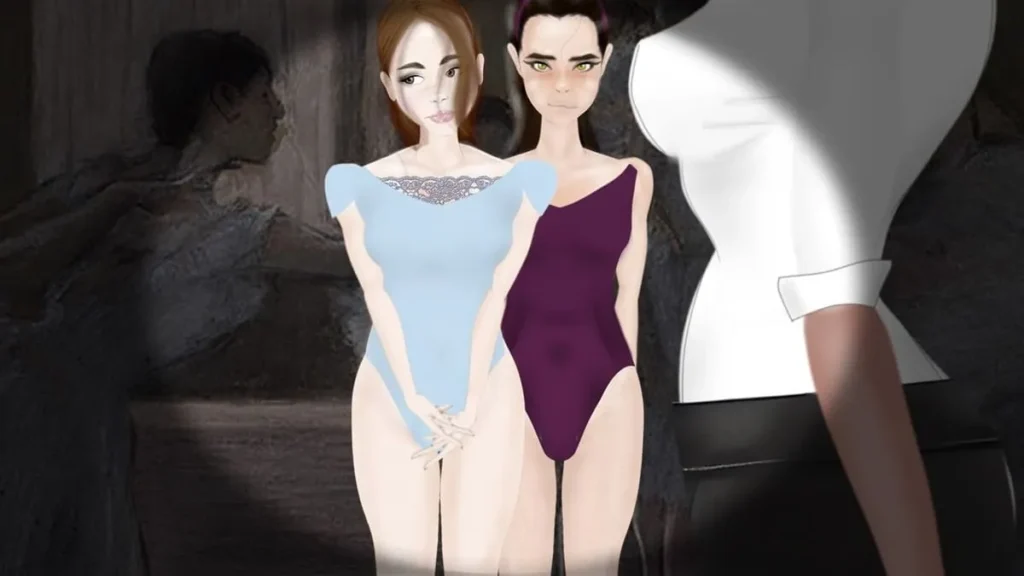


Camp Klondike review
Master the sandbox mechanics, character relationships, and narrative choices in this acclaimed adult VN
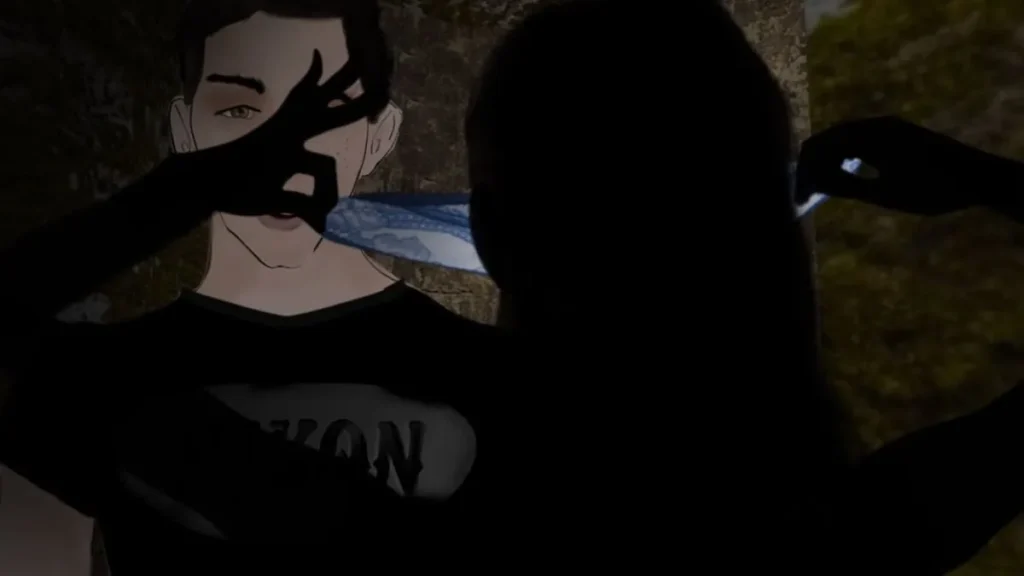
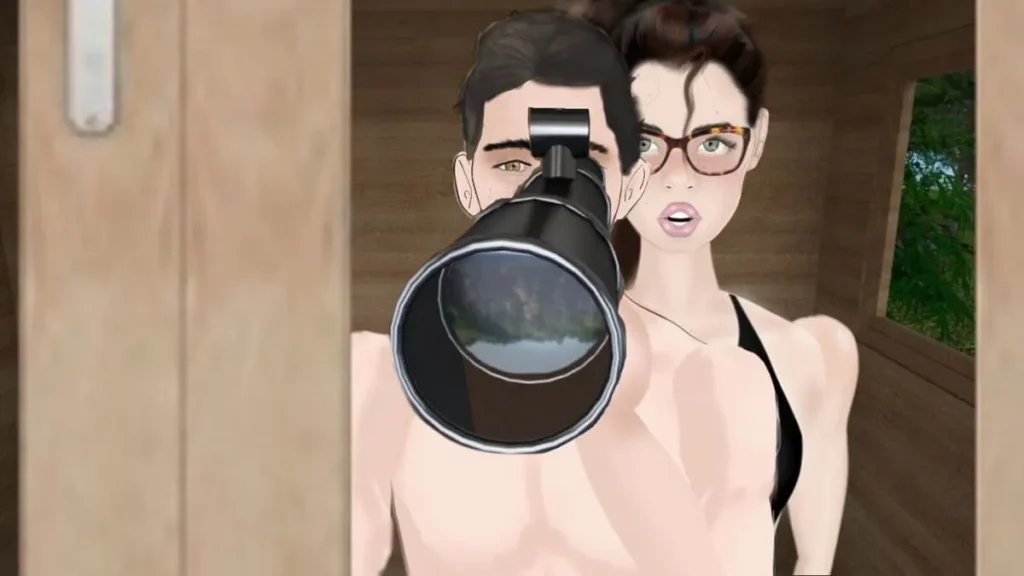
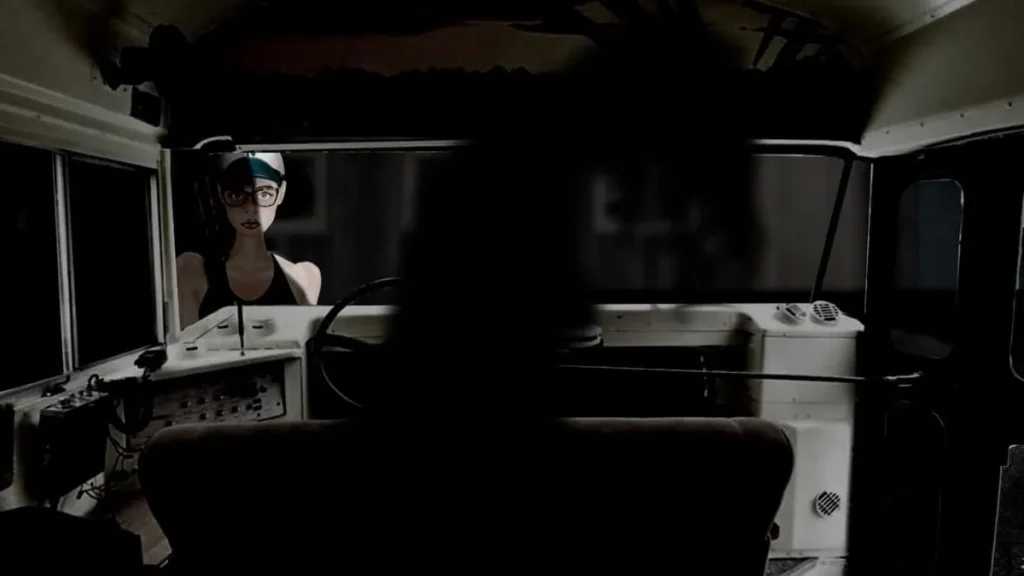
Camp Klondike stands out as a narrative-driven visual novel that blends summer camp nostalgia with mature storytelling and meaningful player agency. Developed by Swimsoot, this sandbox-style game invites players to navigate complex character relationships and personal growth across seven days of counselor interactions. Unlike typical adult games that prioritize explicit content over substance, Camp Klondike delivers layered character arcs, strategic relationship-building mechanics, and branching narrative outcomes that reward thoughtful decision-making. Whether you’re drawn to the game’s witty dialogue, character-driven storytelling, or the challenge of unlocking unique endings, understanding its core systems will significantly enhance your gameplay experience and help you discover the depth this title offers.
Understanding Camp Klondike’s Core Gameplay Systems
Ever feel like summer camp guides treat you like you’re on rails? 🚂 You know the type—follow this path, talk to this person, and poof, you get the “good ending.” When I first booted up Camp Klondike, I braced for more of the same. But instead of a predetermined trail, I found myself at the edge of a sun-dappled lake, a map in my hand, and a whole week of summer stretching out before me with endless possibilities. That’s the magic of this game. Its core isn’t about hitting plot points; it’s about crafting your own unique story through a brilliant blend of systems. To truly master your time at camp, you need to understand the engine under the hood. Let’s break down the Camp Klondike gameplay mechanics that turn a simple summer into your personal legend.
How Sandbox Mechanics Shape Your Summer Camp Experience
Forget linear paths. The moment you arrive at Camp Klondike, the world is your oyster—or should I say, your lakeside playground. 🏕️ The game’s visual novel sandbox elements are its heartbeat, transforming it from a story you read into a world you inhabit. You navigate through evocative text descriptions, choosing which locations to explore: the quiet mystery of the forest, the competitive buzz of the sports field, the serene solitude of the docks at dusk. Each time slot in your day is a precious resource, and how you spend it defines your entire experience.
This isn’t just busywork. Every location houses potential encounters, hidden items, and quiet moments of character development. Choosing to sneak off to the old storage cabin might net you a useful “Lucky Charm” item, while spending your afternoon at the main lodge could lead to a heart-to-heart with a counselor who’s taking a break. The genius lies in how these exploration choices feed directly into every other system. You can’t build a relationship if you’re never in the same place as the character, and you can’t find the special item needed for a mini-game if you don’t poke around. It creates a delicious tension: do you focus on one person, or spread your attention? Do you chase items or chase moments?
The Camp Klondike gameplay mechanics brilliantly tie exploration to progression. Inventory management is subtle but key. That “Lucky Charm” you found? It’s not just flavor text. It might provide a small but crucial bonus during a tense canoe race, tipping the odds in your favor. I learned this the hard way during my first playthrough. I was so focused on talking to everyone that I ignored item collection, and come the big fishing challenge, I was utterly outmatched. The game quietly rewards thoroughness and curiosity, making every decision to explore feel meaningful.
Pro Tip: Don’t rush! The sandbox is designed for replay. Your first summer should be about discovery. Wander, talk to everyone, and see what sparks. You’ll uncover different story threads and locations in subsequent playthroughs, making each camp session feel fresh.
Character Relationship Dynamics and Trust Building
Here’s where Camp Klondike truly shines. The counselors and fellow campers aren’t just portraits with dialogue trees; they feel like real people with moods, histories, and personal boundaries. Interacting with them revolves around two core, visible metrics: Trust and Desire. Think of Trust as the foundation of a house and Desire as the decorative lights. 🏠✨ You need a solid foundation before you can safely hang the pretty lights.
Trust is earned through respectful interaction, keeping promises, showing support during their personal story moments, and choosing dialogue options that align with their values. It opens up deeper conversations, reveals their backstories, and makes them more receptive to your presence. Desire, on the other hand, reflects romantic or physical interest. It grows through flirtatious dialogue, successful shared activities like mini-games, and giving thoughtful gifts. However—and this is crucial—pushing for Desire without a solid base of Trust will backfire, often leading to the character closing off.
This character relationship system demands you pay attention. Is Ash, the nature guide, having a rough day? A supportive, quiet comment might raise Trust. Bombarding them with flirty jokes will likely lower it. The game masterfully uses its trust and desire mechanics to emphasize consensual, organic connection. You’re not “unlocking” scenes with a formula; you’re building a genuine rapport. Optional romantic content is gated behind mutual interest and comfort, which feels respectful and incredibly rewarding when you finally reach those moments.
My biggest “aha!” moment came with Maya, the artistic counselor. I bombed my first attempt by being a constant joker, which she found immature. Her Trust plummeted. On my next try, I chose quieter, more observant dialogue, admired her work without being pushy, and simply spent time with her during calm activities. Watching both meters grow in harmony, leading to a wonderfully earned connection, was more satisfying than any quick win. The system teaches you to listen, not just talk.
Strategic Choices and Their Narrative Consequences
Every word matters in Camp Klondike. The game’s narrative choices and consequences are woven so tightly that a seemingly throwaway comment on Tuesday can reshape a conversation on Friday. This isn’t about “good” or “bad” endings in a binary sense; it’s about crafting a story that reflects your unique approach to the summer. Your choices directly influence character moods, alter future dialogue availability, and determine which of the many branching story paths you experience.
This weight is amplified by the brilliant dialogue influence traits system. At the game’s start, you select a core personality trait: Charismatic Joker, Quiet Observer, or Rebel Without a Cause. This isn’t just cosmetic. Your trait unlocks special dialogue options throughout the game, influences hidden bonuses, and determines which characters might be initially more drawn to your vibe. It’s a layer of strategy that defines your social role at camp.
For example, as a Charismatic Joker, I had access to dialogue options that could defuse tense situations with humor, making group events smoother. But that same trait sometimes made me come across as insincere to more serious characters. Meanwhile, playing as a Quiet Observer granted me unique insights into characters’ hidden feelings and unlocked bonus Trust for listening instead of talking. Your trait shapes your entire narrative lens.
| Personality Trait | Dialogue Influence & Vibe | Hidden Bonuses | Best Responses From… |
|---|---|---|---|
| Charismatic Joker | Unlocks witty, flirty, and crowd-pleasing dialogue options. Great for group scenes and lightening moods. | Small boosts to group activity success; easier time initiating playful interactions. | Characters who enjoy fun and spontaneity; those who are initially guarded but appreciate being cheered up. |
| Quiet Observer | Unlocks perceptive, thoughtful, and supportive dialogue. Excels in one-on-one, intimate conversations. | Bonus Trust gains from empathetic choices; higher chance to discover hidden character details and items. | Introspective, artistic, or shy characters who value depth and sincerity over flash. |
| Rebel Without a Cause | Unlocks bold, daring, and unconventional dialogue. Challenges authority and embraces mischief. | Advantages in risky mini-game maneuvers; unique paths to bypass certain obstacles. | Characters with a rebellious streak or those feeling trapped by camp routines; attracts those intrigued by confidence. |
The consequences of your choices are also felt in the exciting world of Camp Klondike mini-games. These aren’t mere distractions; they are pivotal relationship events. Succeeding in a fishing challenge or winning a canoe race isn’t just about victory—it’s a shared triumph that can significantly boost both Trust and Desire with your partner. Failure, while perhaps a setback, can also lead to its own unique, often sweetly bonding, scenes of consolation.
Each activity tests different aspects of your camper’s abilities, often tied to your trait or the items you’ve collected. Preparing for these moments is part of the strategic layer. That special fishing lure you found? It might just be the key to impressing the counselor who loves the lake.
| Mini-Game Activity | Primary Skill/Approach | Romantic Reward / Scene Unlocked |
|---|---|---|
| Fishing Challenge | Patience & Timing. Using found tacklebox items can grant a significant edge. | A quiet, private moment by the lake at sunset; significant boost in Desire with nature-loving characters. |
| Canoe Race | Coordination & Risk-Taking. Rebel trait options may allow shortcut routes. | A celebratory (or conspiratorial) victory celebration; unlocks options for future private “boating lessons.” |
| Campfire Stories | Charisma & Empathy. Choice of story genre (funny, spooky, romantic) tailors the scene. | A deep, vulnerable conversation under the stars; major boost in Trust and a unique, tender character moment. |
Mastering Camp Klondike is about understanding how these systems—the freeform sandbox, the nuanced relationships, and the consequential choices—dance together. 🎭 Your trait guides your dialogue, your exploration finds the tools, your mini-game performance seizes the moment, and every choice builds the unique story of your summer. It’s a game that rewards emotional intelligence, curiosity, and a willingness to live in its world. So pack your bags, choose your attitude, and step into the campfire light. Your story is waiting to be written.
Camp Klondike represents a significant achievement in narrative-driven adult gaming, successfully balancing mature content with genuine character development and meaningful player agency. By understanding the sandbox mechanics, character relationship systems, and strategic choices available to you, you can fully appreciate the depth this visual novel offers. The game rewards thoughtful decision-making and exploration, with multiple endings and hidden content waiting to be discovered based on your unique playthrough choices. Whether you’re drawn to the witty dialogue, complex character arcs, or the challenge of unlocking every possible outcome, Camp Klondike delivers a summer camp experience that respects player intelligence and emotional investment. Start your adventure today and discover why this title has earned praise for some of the best writing in adult visual novels.