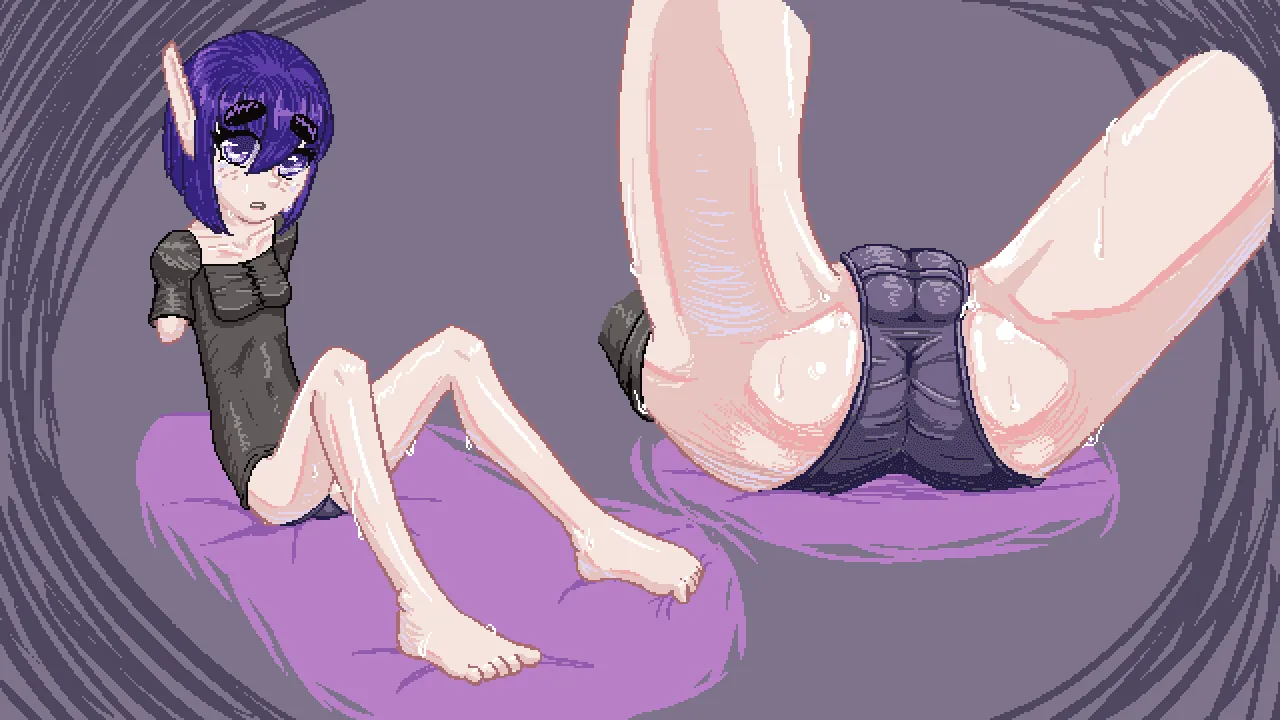
The Theater of Sinners
Play The Theater of Sinners
The Theater of Sinners Screenshots
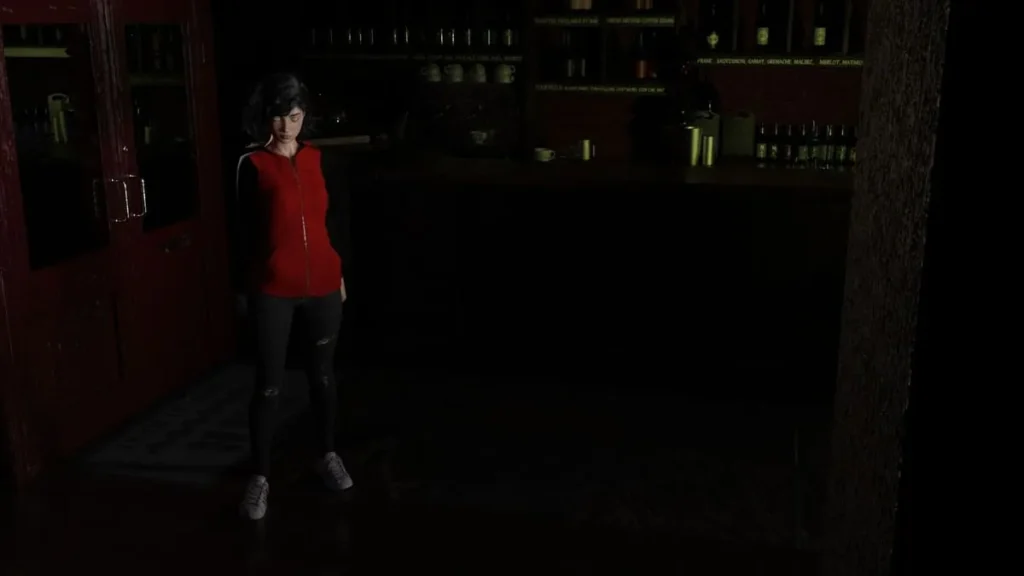
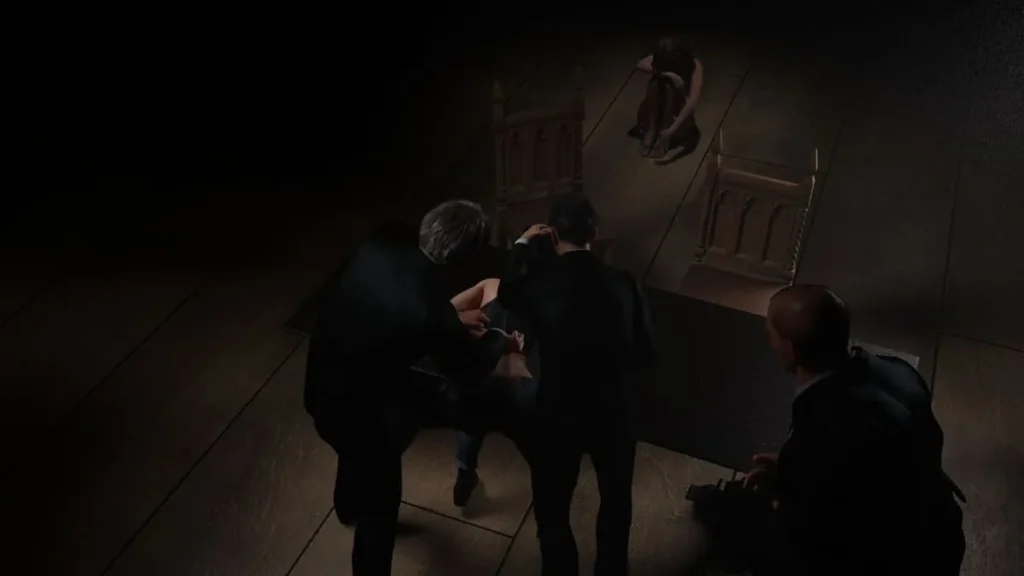
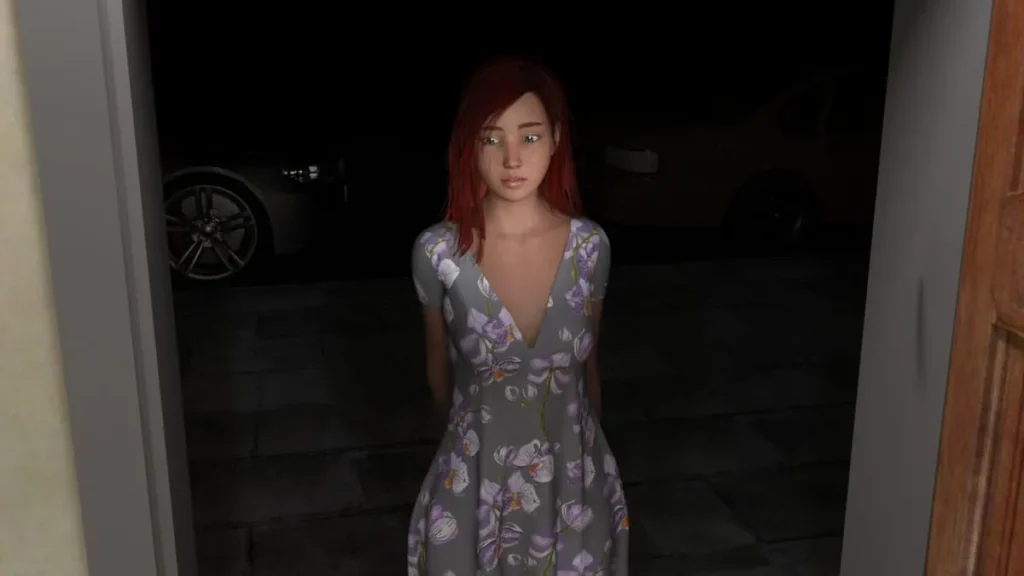
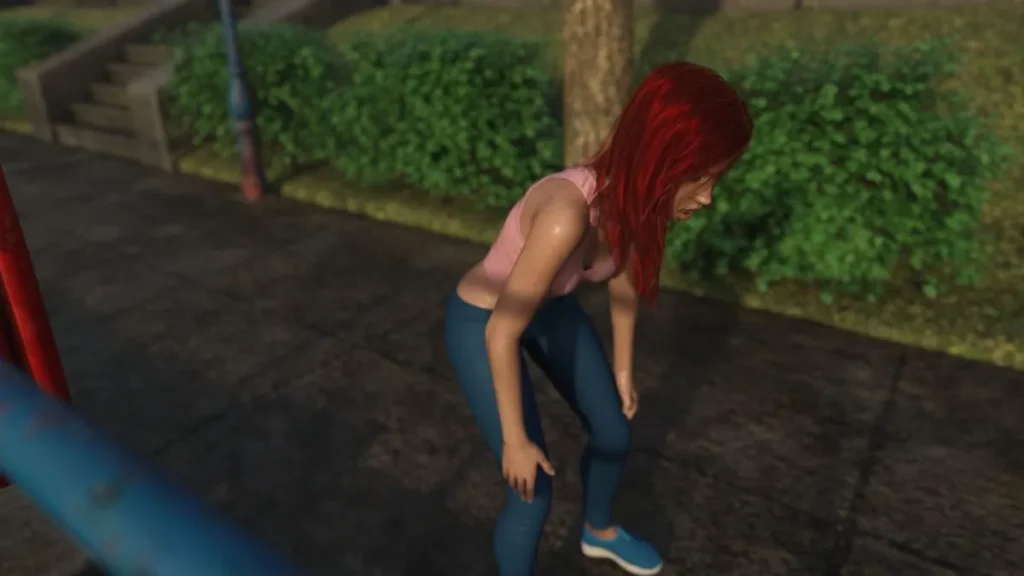
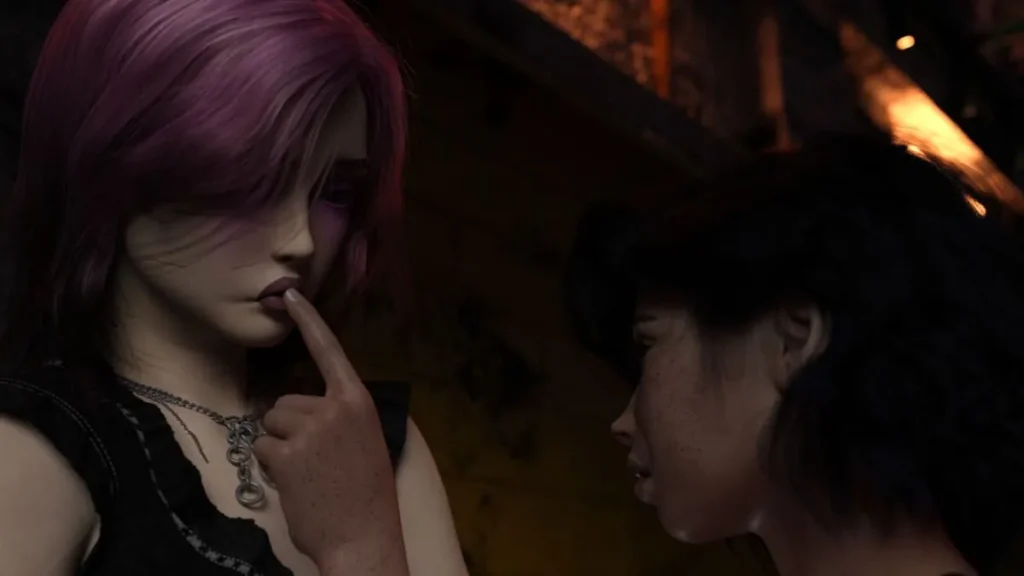
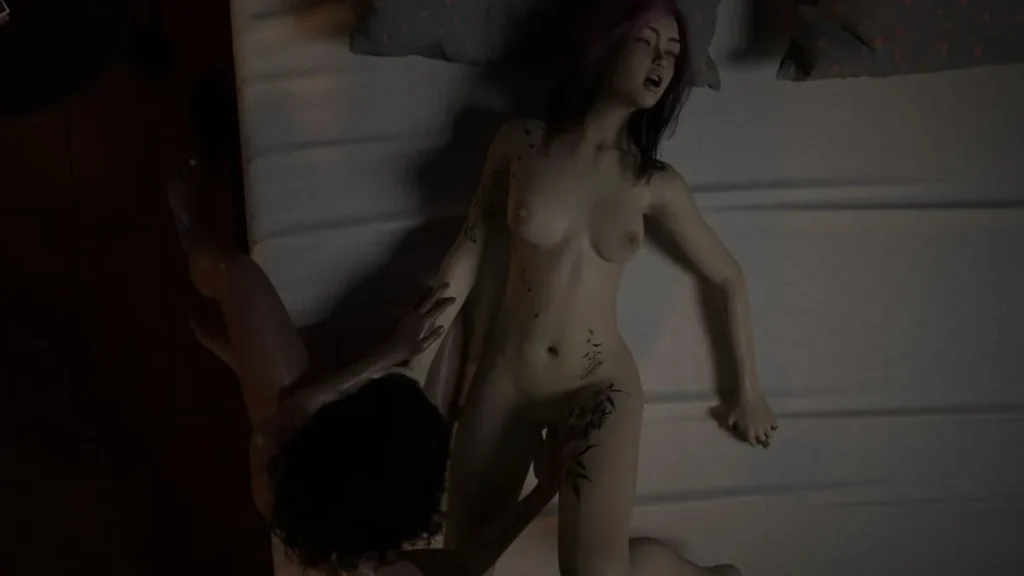
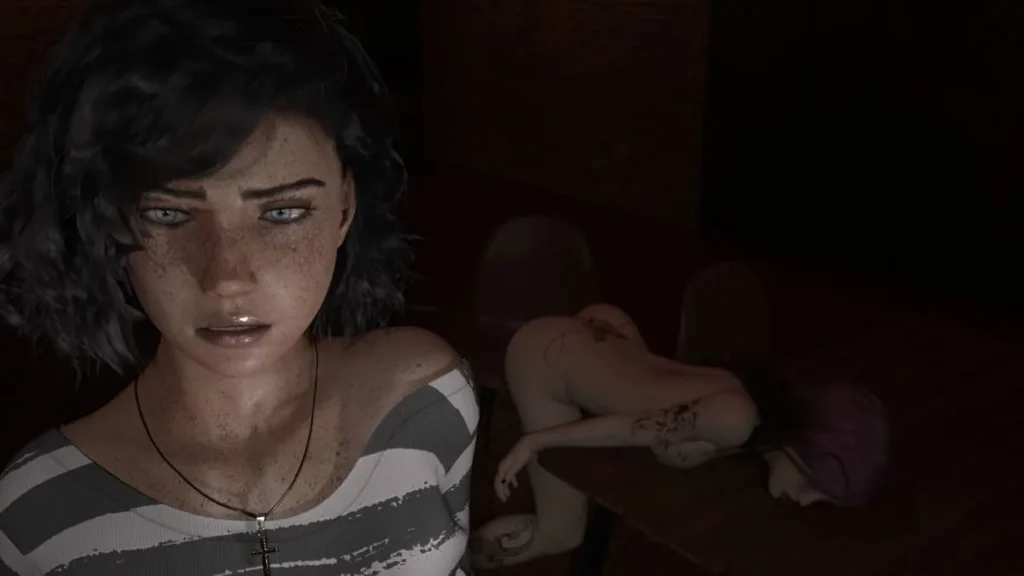


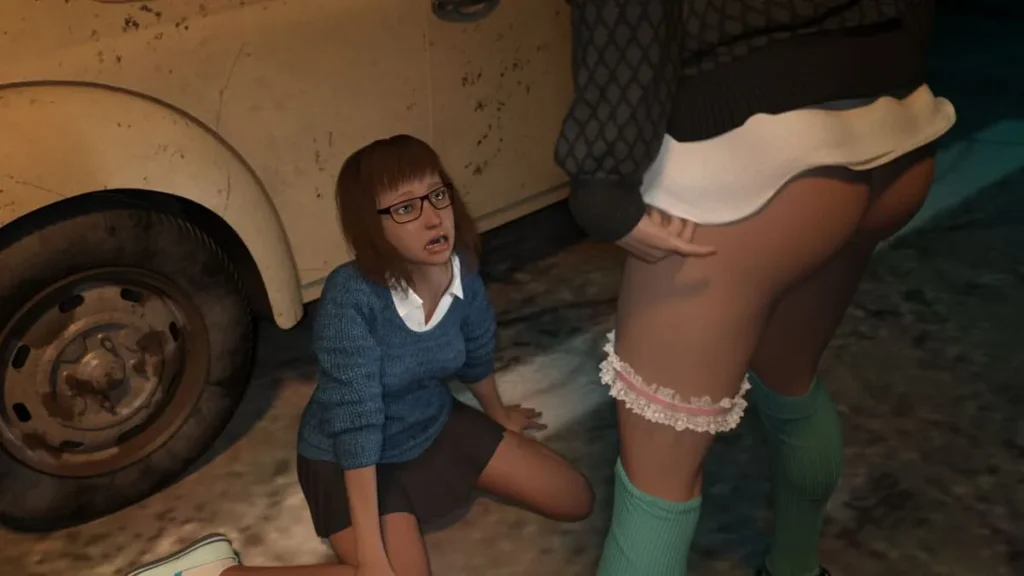
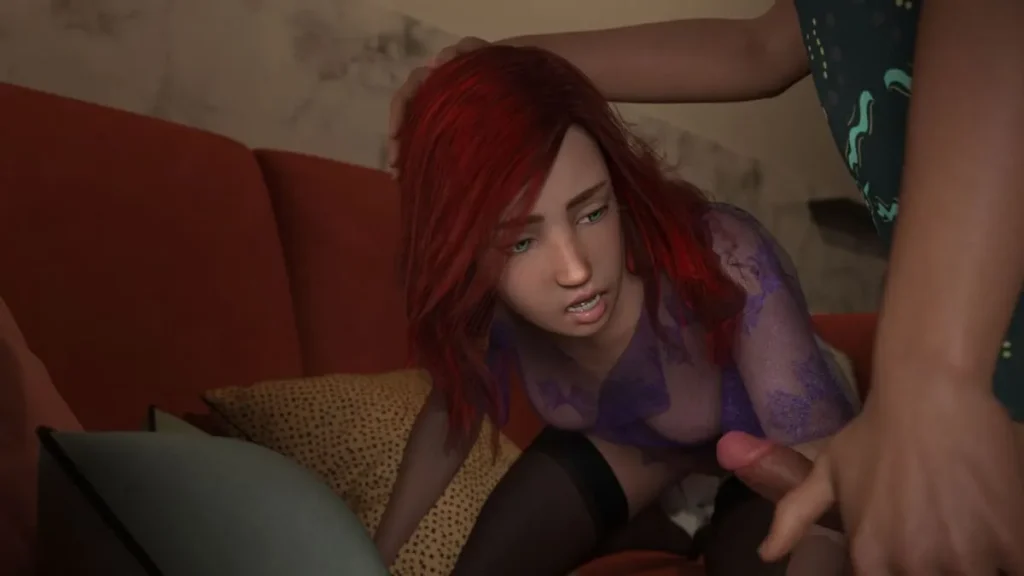
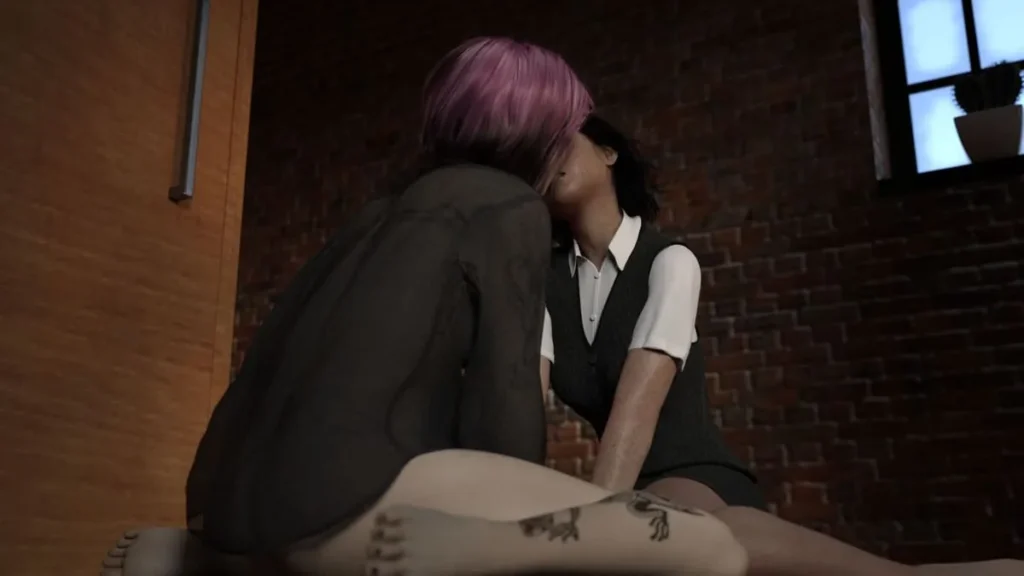
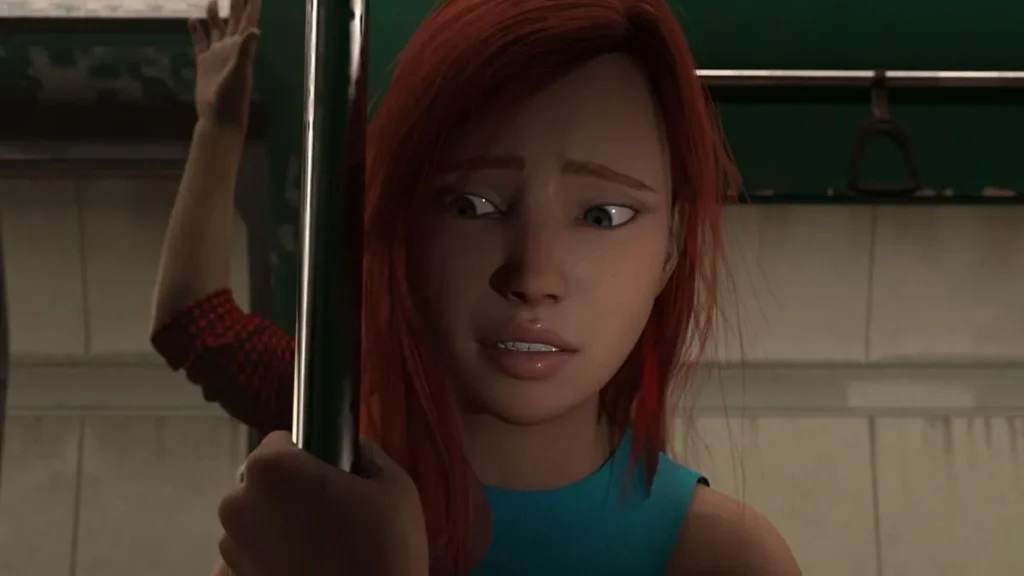
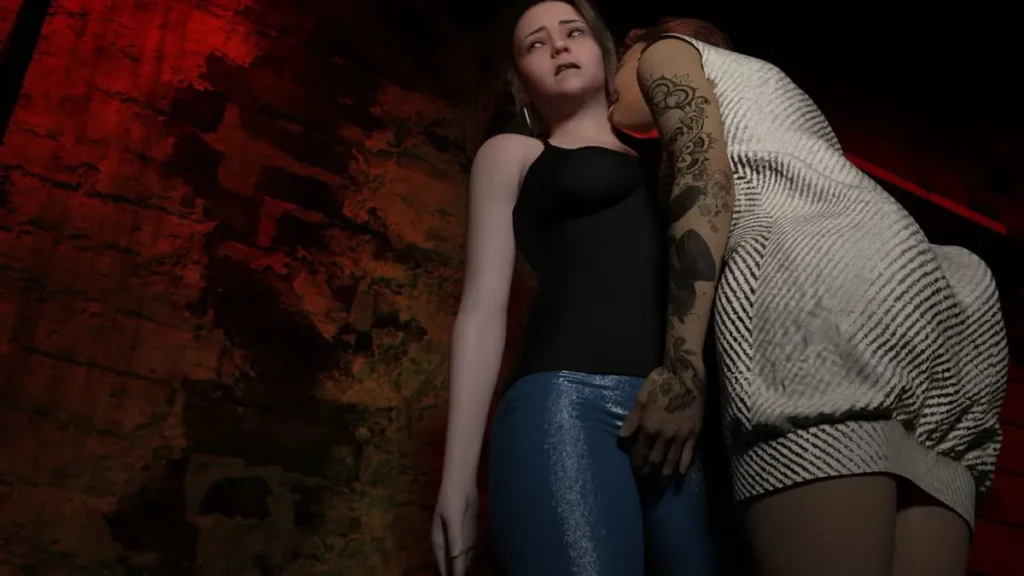
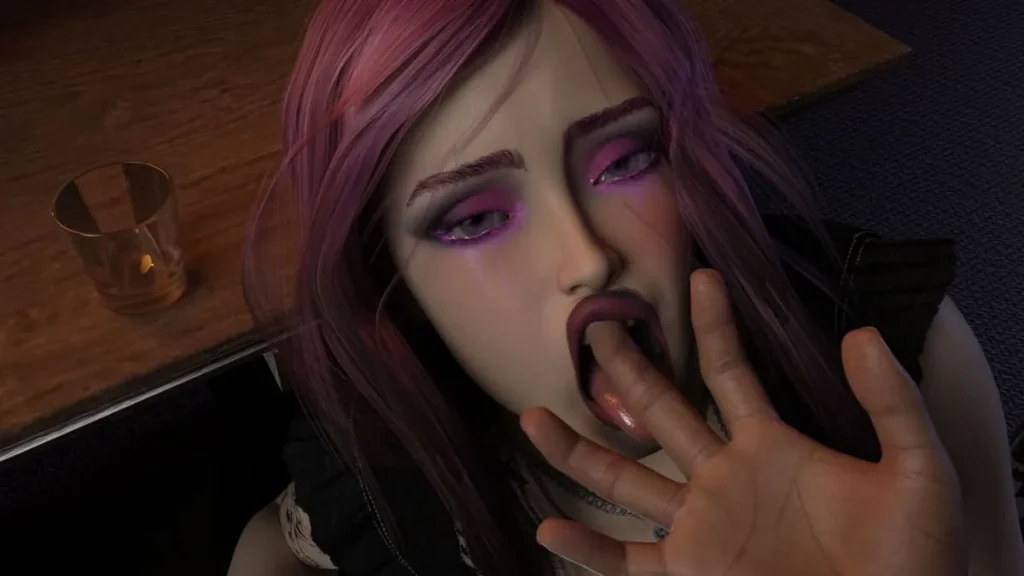
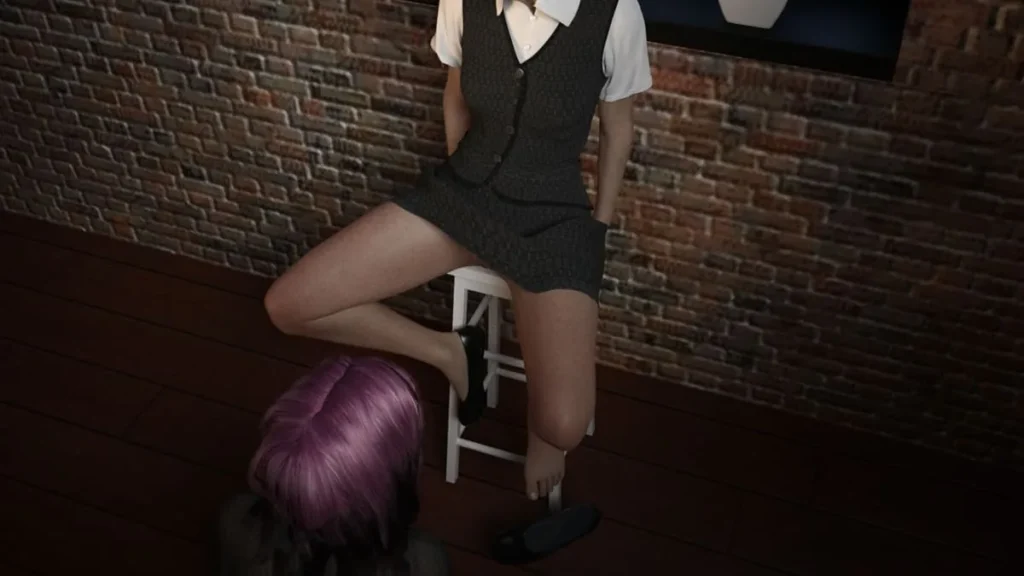
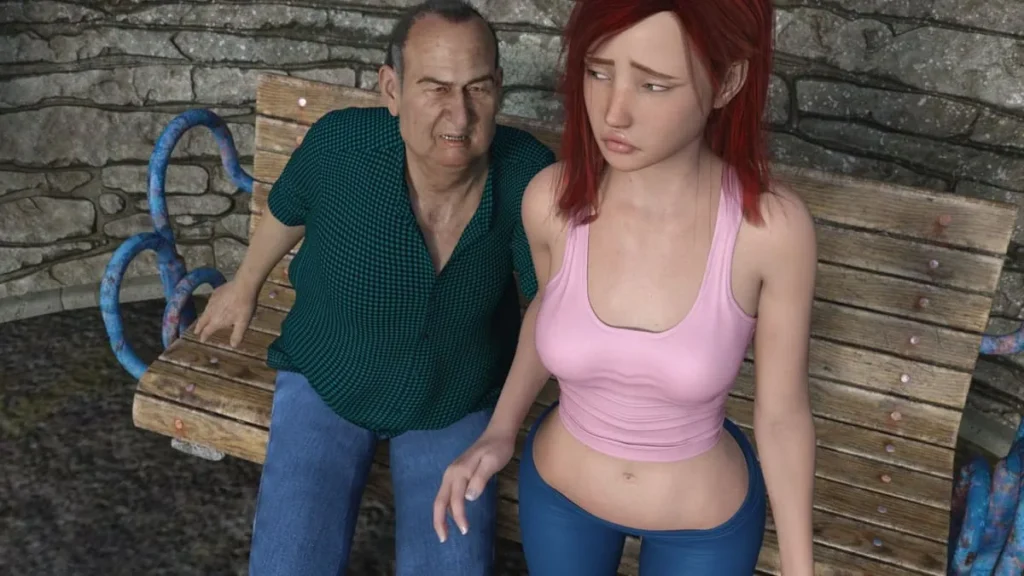
The Theater of Sinners review
Explore the dark narrative, complex characters, and decision-driven gameplay that define this adult visual novel
The Theater of Sinners stands out as a decision-driven psychological fantasy visual novel that challenges conventional storytelling in adult gaming. Developed by JustXThings, this interactive experience immerses players in a morally ambiguous world where choices carry genuine weight and consequences. Rather than offering clear-cut moral paths, the game presents nuanced scenarios that explore themes of corruption, redemption, and psychological depth. Whether you’re drawn to intricate narratives, complex character development, or atmospheric storytelling, understanding what The Theater of Sinners offers can help you determine if this experience aligns with your gaming preferences. This guide explores the game’s core elements, narrative structure, and what makes it a compelling choice for players seeking mature, thought-provoking interactive fiction.
Understanding The Theater of Sinners: Core Gameplay and Narrative Foundation
What Makes This Visual Novel Unique in Adult Gaming
Let’s be honest—when you hear “adult visual novel,” a certain type of experience probably springs to mind. 😏 I’ve clicked through my fair share, often left wanting more than just fleeting titillation. That’s why The Theater of Sinners stopped me in my tracks. It’s not a diversion; it’s a descent. This isn’t a game where mature content is the destination; it’s a raw, integral part of a much larger and darker journey into the human psyche.
What sets this experience apart is its unflinching commitment to narrative depth and character-driven storytelling. The mature elements serve the plot, arising from character motivations, trauma, and twisted relationships rather than existing for their own sake. It feels earned, and because of that, it carries a shocking emotional weight. You’re not an observer of scandalous scenes; you’re an active, complicit participant in a crumbling world, and every interaction feels charged with consequence.
The foundation of The Theater of Sinners gameplay is psychological excavation, not simple gratification. You’re tasked with understanding broken people, navigating their lies and half-truths, and making choices that will either fray or sever the fragile threads holding them together. The game demands your emotional and intellectual investment, rewarding you with a story that is as disturbing as it is unforgettable. 🎭
Here are the key gameplay features that define this unique experience:
* A Choice System That Feels Human: Decisions rarely present themselves as clear “Option A or B.” Instead, they emerge from dialogue, internal monologues, and moments of silence, making your role feel organic.
* Narrative as the Primary Reward: Unlocking new story branches and deeper character revelations is the core “progression,” creating a powerful incentive to explore every possible path.
* Atmosphere Over Shock: The game builds a profound sense of dread through its art, sound design, and pacing, prioritizing lasting unease over momentary jump-scares.
* Morality as a Spectrum: There are no morality meters or paragon/renegade scores. You’re navigating shades of gray, where every “right” choice has a cost and every “wrong” choice has a twisted rationale.
This is a psychological fantasy visual novel that uses its fantastical, nightmare-like setting—the eponymous Theater—as a grand metaphor. It’s a stage where internal demons perform, and you have a front-row seat to the spectacle of fractured minds.
The Decision-Based Gameplay System and Consequence Mechanics
Remember the last time you made a choice in a game and immediately knew what the “good” outcome would be? The Theater of Sinners gleefully torches that playbook. This is a decision-based adult game built on a simple, terrifying premise: your choices matter, but you can rarely predict how they will matter. The game masterfully creates scenarios where every option feels plausible, personally justified, and utterly fraught with risk.
I recall one particular playthrough where I tried to be the comforting voice for a character spiraling into paranoia. 🫂 My intention was to be a anchor, a source of stability. The game, however, registered my gentle coaxing as enabling her detachment from reality. Several chapters later, that “compassionate” choice directly led to a catastrophic breakdown that locked me out of an entire storyline. The game didn’t judge me with a “Bad Karma” notification; it simply showed me the heartbreaking, logical conclusion of my actions. That’s the power of its consequence-based gameplay mechanics.
The system works because it’s invisible. There’s no UI element tracking your alignment. Instead, the game employs a sophisticated web of flags and variables that remember everything—your tone, your timing, who you trust, and what secrets you choose to uncover or ignore. These choices compound, creating a narrative chain reaction that makes each playthrough uniquely yours.
Tip: Don’t try to “game” the system on your first run. Play intuitively. Let your genuine reactions guide you. The most profound (and often horrifying) revelations come from sitting with the consequences of your raw, uncalculated decisions.
This approach fundamentally shapes the morally ambiguous game narrative. You’re never choosing between “save the puppy” or “kick the puppy.” You’re choosing between revealing a painful truth that might destroy someone or upholding a comforting lie that will slowly poison them from the inside out. There are no heroes here, only sinners trying to justify their roles in the play. Your goal isn’t to achieve a “good ending,” but to survive the narrative with your sanity—and the sanities of those around you—somewhat intact.
To illustrate how these layered choices work, let’s break down a hypothetical scenario:
| Your Choice (The Input) | Immediate Character Reaction | Long-Term Narrative Consequence (The Output) |
|---|---|---|
| Confront a character about their hidden past. | They become defensive and angry, shutting down the conversation. | They never trust you with their vulnerabilities again, altering their route and locking away a key piece of the main mystery. |
| Choose to overlook the same secret for now. | They seem relieved, offering a moment of genuine, quiet connection. | Their dependency on you grows, potentially leading to a more intense but unstable relationship where their secret eventually explodes with greater force. |
| Investigate the secret independently. | They remain unaware, behaving normally in your interactions. | You gain crucial information early, empowering you but creating a profound ethical dilemma of how (or if) to use knowledge gained through betrayal. |
This table shows how a single narrative branch isn’t about right/wrong, but about defining the nature of your relationships and the type of tragedy that may unfold. This is the core of its character-driven interactive fiction. The plot is a direct function of who you choose to be and how you connect (or disconnect) from the lost souls in the Theater.
Exploring the Psychological Fantasy Setting and Atmosphere
Forget sprawling open worlds or dungeons filled with monsters. The most compelling landscape in The Theater of Sinners is the interior one. The game is a masterclass in psychological fantasy, a term that perfectly captures its essence. It’s not fantasy in the sense of elves and dragons, but in the tradition of David Lynch or early Tim Burton—where the environment is a direct, grotesque, and beautiful reflection of inner turmoil. 🏚️✨
The titular Theater is the ultimate metaphor. It’s a crumbling, impossibly large gothic playhouse that exists outside of normal time and space. Corridors shift, memories play out on stage as if they were current events, and the line between performer and audience is violently blurred. This setting isn’t just a backdrop; it’s a character in itself. It physically manifests guilt as locked rooms, trauma as distorted echoes in the rafters, and desire as hauntingly beautiful, yet fleeting, stage lighting. This makes the Ren’Py visual novel experience particularly effective—the engine’s strength in delivering layered visuals and sound allows this atmosphere to seep into every pixel and audio cue.
The atmosphere is built on a pillar of atmospheric dread. You won’t be jumping at loud noises. Instead, you’ll feel a slow, chilling creep of anxiety as you notice a portrait’s eyes have subtly changed direction between scenes, or as a piece of mournful, dissonant piano music loops just a little too long. The sound design is a character all its own, using whispers, distant echoes, and sudden silences more effectively than any scream. The art style blends rendered characters with painstakingly detailed, painterly backgrounds that feel both grandiose and deeply rotten.
This world blends supernatural elements with raw human emotion to create something terrifyingly real. A character might literally be haunted by a specter, but that specter is a visually stunning manifestation of their survivor’s guilt. The fantasy elements serve to externalize the internal, making abstract pain concrete and navigable. You’re not just reading about someone’s depression; you’re walking through the dark, labyrinthine hallways of their mind, trying to find the source of the weeping you hear in the walls.
The narrative structure reinforces this deeply psychological approach. The story is non-linear, weaving frequent flashbacks and memory fragments into the present action. 🧩 You won’t get a straightforward biography of a character. Instead, you’ll piece together their history from emotionally charged glimpses—a childhood memory triggered by the smell of rust, a moment of betrayal revisited during a similar act of deceit. This creates a rich, puzzling tapestry where understanding a character’s present madness requires you to slowly assemble the broken pieces of their past.
It’s crucial to remember that this captivating, dark journey is still unfolding. The game is currently in early access (Version 0.3 ALPHA 1) and is in active development. This means the Theater is still being built, with new wings, stories, and consequences added over time. The available experience is already profoundly deep, but it’s part of a larger, expanding nightmare. Built on the accessible Ren’Py engine, it’s available across Windows, macOS, and Linux, inviting a wide audience to step onto its stage.
Ultimately, The Theater of Sinners redefines what a mature narrative can be. It’s a game that trusts its audience with complexity, sits with them in discomfort, and uses every tool—from its decision-based adult game mechanics to its haunting psychological fantasy visual novel setting—to explore the darkest corners of motivation, desire, and sin. It’s not always a comfortable experience, but it is a profoundly memorable one, proving that the most compelling stories are often those that dare to turn the lights down and examine what, and who, we find lurking in the shadows.
The Theater of Sinners represents a distinctive approach to adult interactive fiction, prioritizing narrative depth and character complexity over conventional storytelling. Through its decision-based gameplay, morally ambiguous scenarios, and psychologically rich setting, the game creates an experience that challenges players to engage thoughtfully with its characters and themes. The interleaved stories of its four protagonists, combined with atmospheric world-building and consequence-driven choices, establish a compelling foundation for players seeking mature, introspective gaming experiences. Whether you’re drawn to psychological narratives, complex character development, or unconventional relationship dynamics, The Theater of Sinners offers a substantial interactive experience still evolving through active development. For those interested in exploring this unique visual novel, approaching it with awareness of its themes and commitment to pacing will enhance your engagement with its rich, dark narrative.