Star Periphery
Play Star Periphery
Star Periphery Screenshots







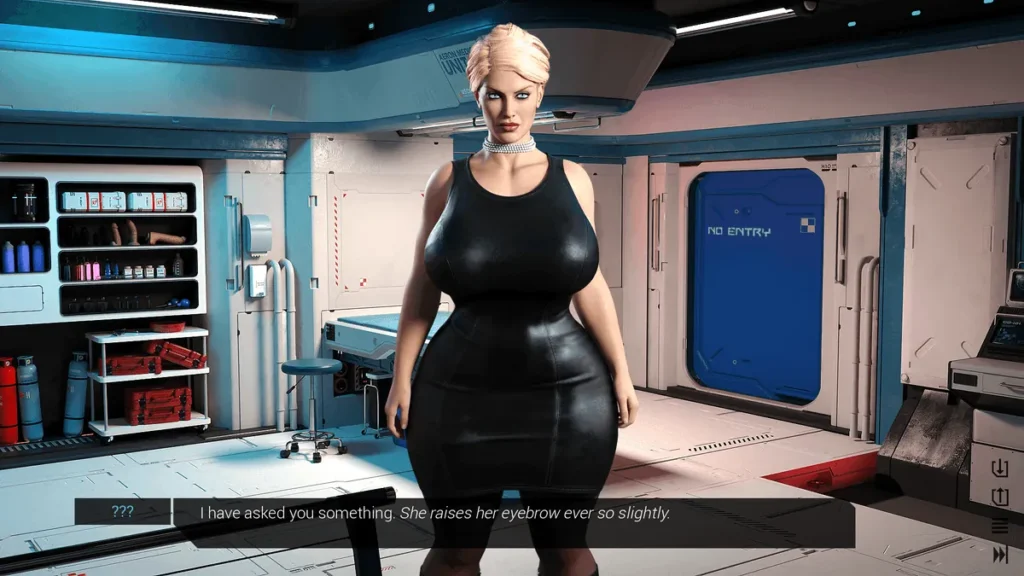

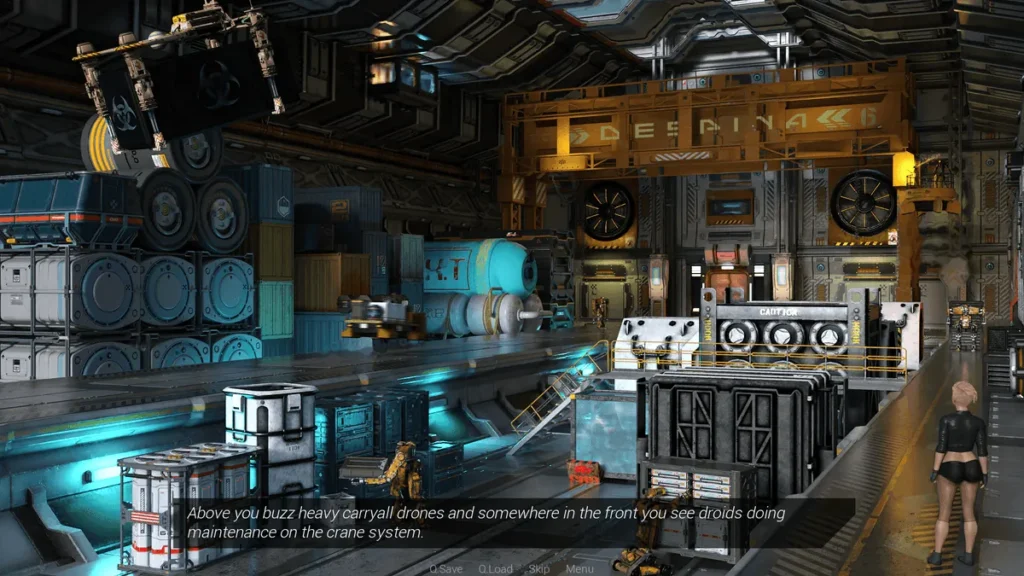
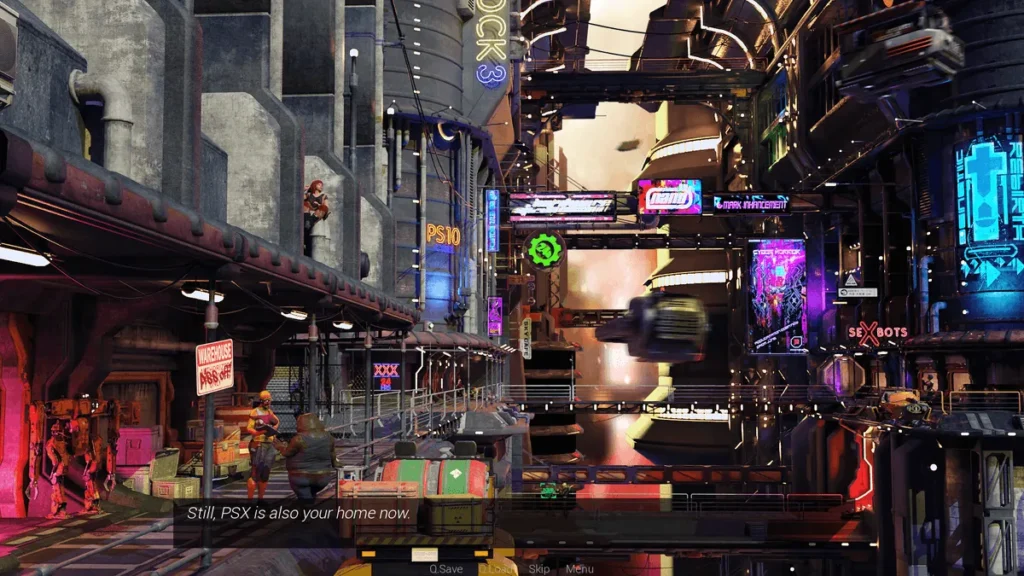
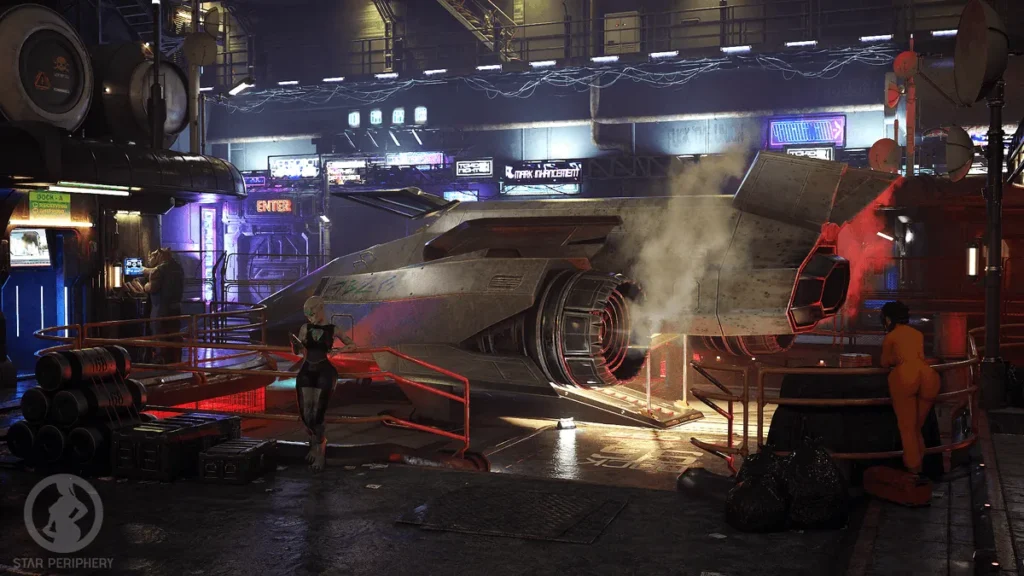
Star Periphery review
Explore the immersive sci-fi adventure with futadom and femdom themes
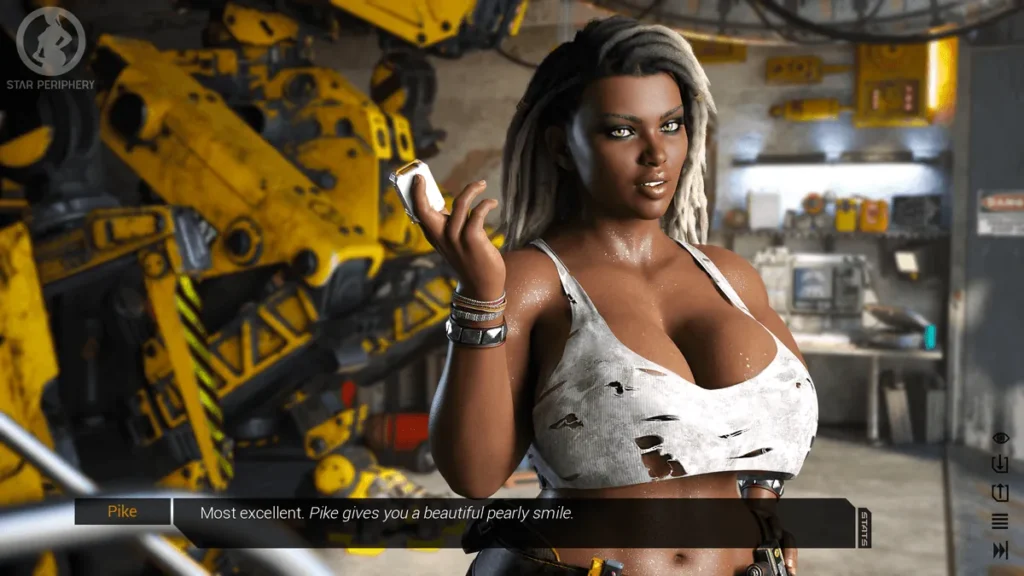
Star Periphery stands out as a retro sci-fi adventure game that blends immersive storytelling with mature themes and player choice. Inspired by cult classics like The Fifth Element and Farscape, this game creates a lived-in universe where your decisions shape relationships and outcomes. Whether you’re drawn to futadom or femdom content, the game features five main characters to romance alongside countless side characters, each with unique storylines and fetish preferences. With its perk system, branching narratives, and focus on atmospheric immersion rather than unrealistic physics, Star Periphery offers a sophisticated approach to adult gaming that prioritizes meaningful engagement over gratuitous content.
Understanding Star Periphery’s Core Gameplay Mechanics
Ever found yourself playing a game where your choices feel… meaningless? 🎮 Where you pick a dialogue option just to watch the story railroad you down the same path, regardless? I sure have, and it’s a total buzzkill. That’s why diving into Star Periphery was such a breath of fresh, if morally complex, air. This isn’t just another visual novel; it’s a deeply reactive universe where every decision, from who you trust to what skills you hone, carves out a unique path through its gritty sci-fi landscape. Let’s peel back the layers and understand what makes its gameplay mechanics so compelling. 🚀
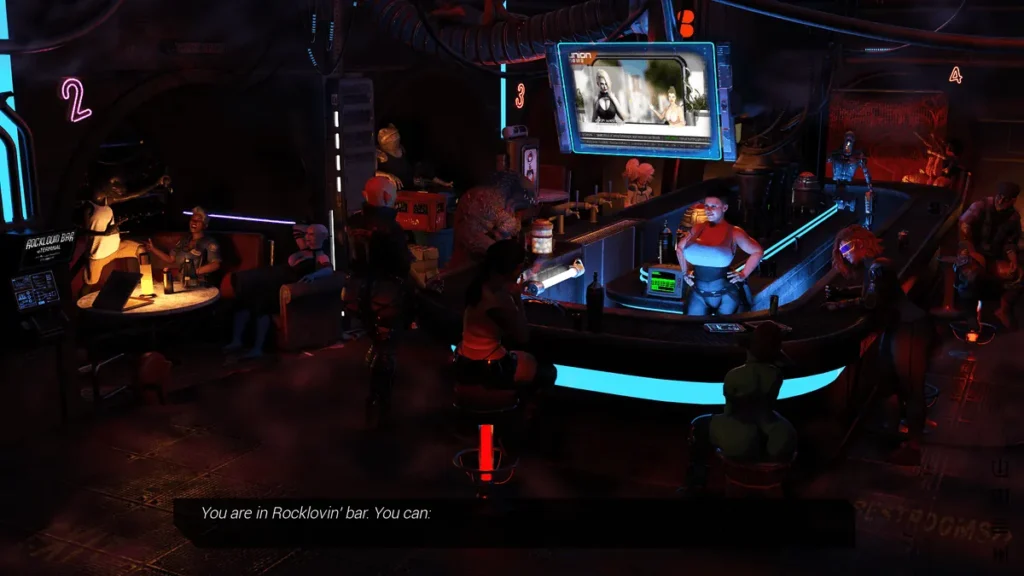
At its heart, Star Periphery is an interactive storytelling game built on the versatile Ren’Py engine. But don’t let that fool you—this isn’t a passive experience. The core loop is a satisfying dance of exploration, conversation, and consequence. You navigate a seedy starport, choosing which locations to visit and which enigmatic characters to engage. Each location is a self-contained arena for specific story threads and, importantly, distinct themes. This location-based gameplay is genius because it hands you the reins of your comfort zone. Not in the mood for a particular dynamic? You can simply avoid that sector of the port entirely. The power to curate your experience is built right into the map.
The real magic, however, lies in how the game responds to you. This is a world of shifting loyalties and survival, where earning trust is your most valuable currency and navigating moral gray areas isn’t just a theme—it’s the primary gameplay mechanic. Forget simple good/evil sliders; here, your pragmatic (and sometimes intimate) alliances directly determine who lives, who dies, and which doors in the story slam shut forever.
How the Perk System Shapes Your Experience
Let’s talk about one of the most elegantly designed systems in any adult game: the perk system. 🏆 I’ve groaned through so many games that demand mindless grinding to unlock abilities. Star Periphery throws that tedious model out the airlock. Here, perks aren’t arbitrary points you farm; they’re a natural reflection of your character’s lived experience. Think of them as a diary of your journey, automatically inscribed as you reach key milestones in the narrative and in your relationships.
For example, successfully negotiating a tense standoff with port authorities might unlock the “Silver Tongue” perk, which then opens up new, more persuasive dialogue options with other factions. Similarly, deepening a bond with a character through specific branching narrative choices could unlock a perk related to their world, like “Cybernetic Insight,” giving you unique interaction options with tech-based characters or environments. These perks directly translate to new scenes, alternative solutions to problems, and different outcomes. Want to know how to unlock scenes in Star Periphery? The answer is almost always: live the story. Make choices, build relationships, and the opportunities will unfold organically. It’s a system that rewards engagement, not repetition.
My Pro Tip: Don’t try to “game” the perk system on your first playthrough. Just role-play. Make choices that feel true to the character you’re embodying. You’ll be surprised at the unique combination of perks you earn, leading to a story experience that feels genuinely your own.
This approach makes every playthrough distinct. A charismatic smooth-talker will access different story branches and character romance options than a brute-force enforcer or a tech-savvy hacker. The perk system is the engine that makes those vastly different narratives possible, proving that mature content and thoughtful, strategic gameplay mechanics can exist in perfect harmony.
| Character Archetype | Common Perk Triggers | Scene & Outcome Influence |
|---|---|---|
| The Diplomat | Resolving conflicts peacefully, gathering crucial information through dialogue. | Unlocks non-violent mission resolutions, exclusive negotiation scenes, and deeper trust-based romance paths. |
| The Warrior | Winning physical confrontations, intimidating rivals, demonstrating loyalty through action. | Opens up new combat-oriented story branches, earns respect from certain factions, and unlocks more dominant relationship dynamics. |
| The Technician | Successfully hacking systems, repairing crucial equipment, understanding alien tech. | Provides alternative routes through missions, access to hidden data and locations, and unique interactions with tech-focused characters. |
Navigating Locations and Character Interactions
The starport in Star Periphery is more than a backdrop; it’s a curated menu of experiences. This location-based gameplay is your primary tool for directing the narrative’s tone. Each major area—from the grimy docks of the Lower Piers to the opulent, controlled environment of the Executive Suites—is tied to specific storylines and, frankly, specific fetishes. 🗺️ This design is brilliantly respectful. It allows you to engage with the content you’re interested in while easily avoiding what you’re not. The game never forces you into a corner; your curiosity (or caution) drives the exploration.
Characters are anchored to these locations, and interacting with them is where the game shines. Conversations are multi-layered. You’re not just picking what to say; you’re leveraging your earned perks, reading the subtext of the situation, and often navigating a power dynamic. Building a relationship is a slow burn of consistent choices. Maybe you do a favor without being asked, or you share a vulnerable moment. This builds “Trust” or “Interest” metrics that are hidden but deeply felt, gradually unlocking their personal missions and romance options.
These character romance options are complex arcs, not simple checkboxes. They’re woven into the main plot, affecting your resources, alliances, and available intelligence. Romancing a powerful faction leader might grant you safe passage through their territory, while getting involved with a rogue smuggler could open up the black market but make you a target for the law. Every connection has a tangible gameplay benefit and cost.
To give you a clearer picture of what to expect where, here’s a breakdown of some key locales and their inhabitants:
| Location | Primary Themes | Key Characters & Dynamics |
|---|---|---|
| The Verdant Ring (Bio-Lab) | Femdom, control, psychological play | Dr. Aris Thorne: A scientist who believes in strict discipline and order. Interactions focus on surrender of control and intellectual submission. |
| The Iron Forge (Engineering Bay) | Futadom, physicality, raw power dynamics | Chief Magnus: The formidable head of engineering where exchanges are direct, physical, and test your strength and resilience. |
| The Serpentine Gala (Social Hub) | Social maneuvering, power exchange, seduction | Lady Evangeline: A socialite where romance is a game of subtle hints, public appearances, and private negotiations for influence. |
| The Chthonic Depths (Lower Piers) | Bratting, struggle for dominance, street-level politics | Krix the Fixer: A street-smart info broker where the dynamic is a constant, playful power struggle with high stakes. |
The Role of Player Choice in Story Outcomes
This is where Star Periphery separates itself from the pack. Your branching narrative choices carry immense, permanent weight. We’re not talking about a few different lines of dialogue or a slightly altered ending slide. We’re talking about a narrative tree where major branches are sawed off completely based on your actions. 🌳
Early in the game, you might be tasked with securing a vital component. You can choose to steal it from the ruthless Syndicate, buy it from the shady Smuggler’s Union, or petition the corrupt Port Authority for it. This isn’t a cosmetic choice:
* Stealing from the Syndicate makes them a permanent, hostile enemy. Their territory becomes a no-go zone, and their hitmen will hound you in later chapters.
* Buying from the Smugglers puts you in their debt, unlocking new missions but also forcing you into dangerous favors down the line.
* Working with the Authority might get you the part cleanly, but it paints you as a collaborator in the eyes of the underground, shutting down avenues of support from revolutionaries.
This is the essence of its gameplay mechanics. You’re constantly managing a web of alliances and enmities. A character you spurn or betray in Chapter 2 might be the very ally you desperately need in Chapter 5, but they’ll be gone—either dead or irrevocably hostile. The game has the courage to let you fail, to let you lock yourself out of entire storylines and character romance options. This makes your successful relationships and hard-won victories feel truly earned.
The Ren’Py engine is the perfect foundation for this complexity. It allows the game to track a dizzying array of variables—your perk flags, relationship scores with a dozen characters, faction reputations, and key story decisions—and weave them all back into the narrative seamlessly. It turns the interactive storytelling into a genuinely reactive one.
Understanding how to unlock scenes in Star Periphery, therefore, boils down to embracing this philosophy of consequence. The most memorable, powerful scenes are often locked behind specific combinations of trust, prior choices, and earned perks. There’s no guidebook that can simply tell you “pick option C.” You have to live the life that leads to that moment. Did you support a character when they were vulnerable? Did you sacrifice a tactical advantage to uphold a personal promise? The game remembers, and it rewards that narrative consistency with some of its most impactful content.
In the end, Star Periphery offers a masterclass in player agency. It proves that a story can be both intensely personal, driven by adult themes and relationships, and strategically complex, where every choice is a calculated risk in the struggle for survival. Its gameplay mechanics aren’t just a framework for the story; they are the story. Your journey through the starport’s periphery will be unlike anyone else’s, a unique testament to the risks you took, the trust you broke, and the bonds you forged in the dark.
Star Periphery represents a thoughtful evolution in adult gaming by prioritizing immersive storytelling, meaningful player choice, and realistic character progression over gratuitous content. The game’s retro sci-fi aesthetic, combined with its sophisticated perk system and branching narratives, creates an engaging experience that respects player preferences while offering diverse content options. With five main characters, countless side characters, and extensive customization through walkthroughs and cheat menus, the game caters to various playstyles and interests. Whether you’re drawn to the futadom or femdom themes, the emphasis on atmospheric world-building and character development ensures that mature content serves the narrative rather than distracting from it. For players seeking a mature-themed adventure that balances explicit content with strategic gameplay and meaningful relationships, Star Periphery offers a compelling and immersive experience worth exploring.