Short Sad Stories
Play Short Sad Stories
Short Sad Stories Screenshots
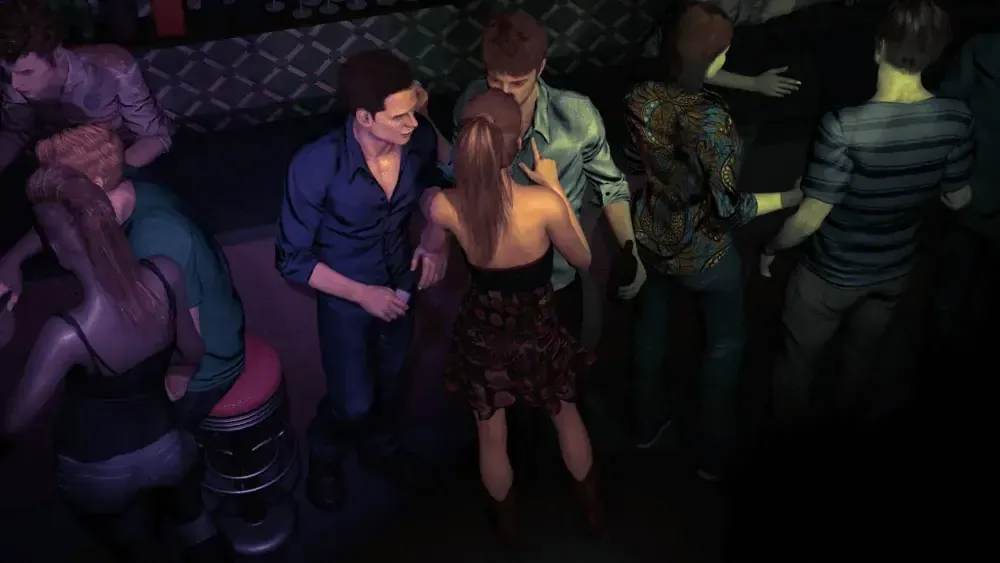
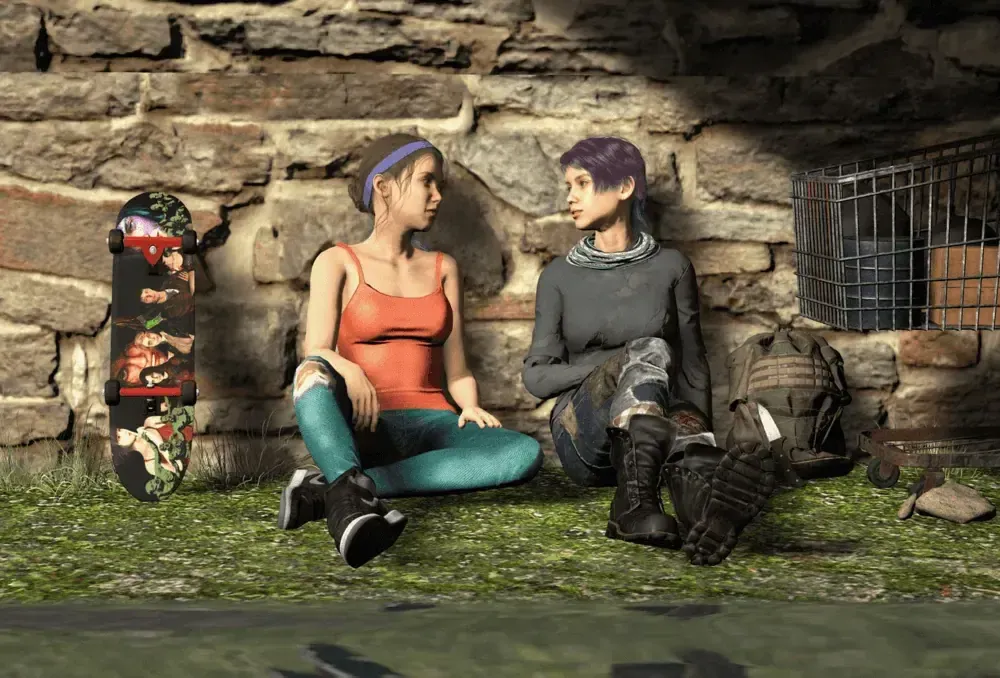
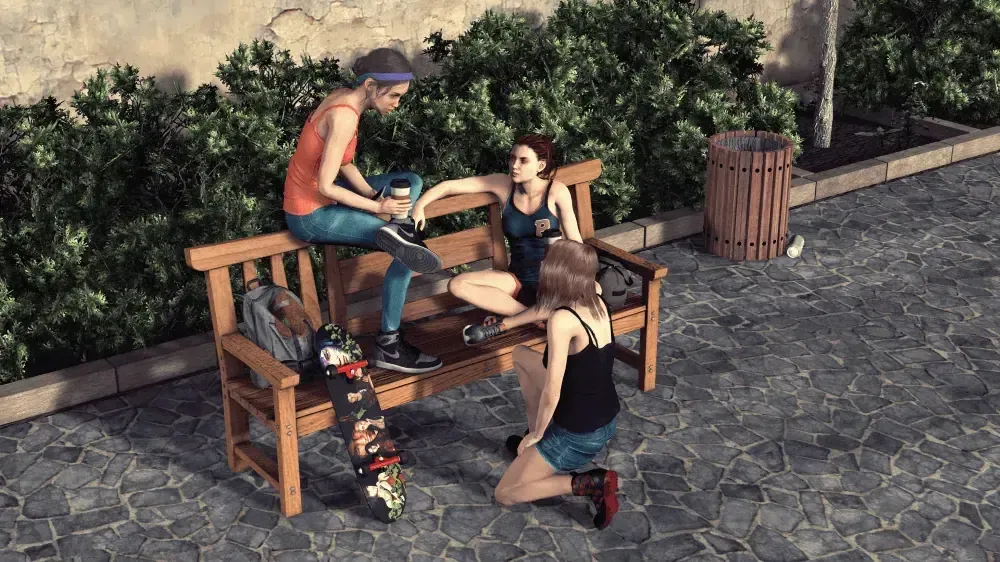
Short Sad Stories review
Dive into heartfelt narratives, choices, and intimate moments in Pent Panda’s captivating game
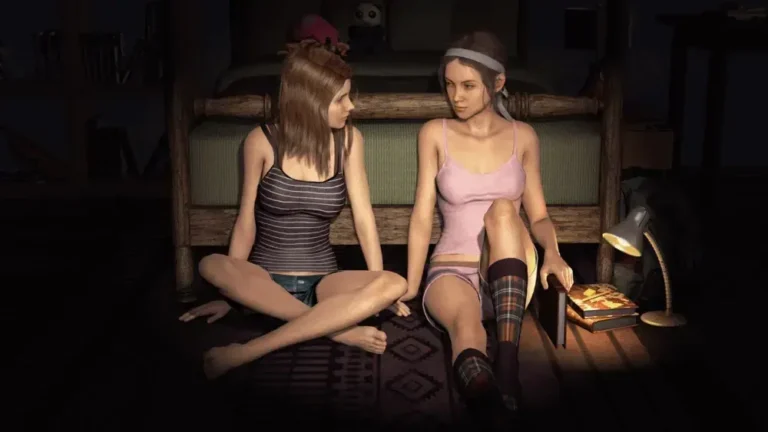
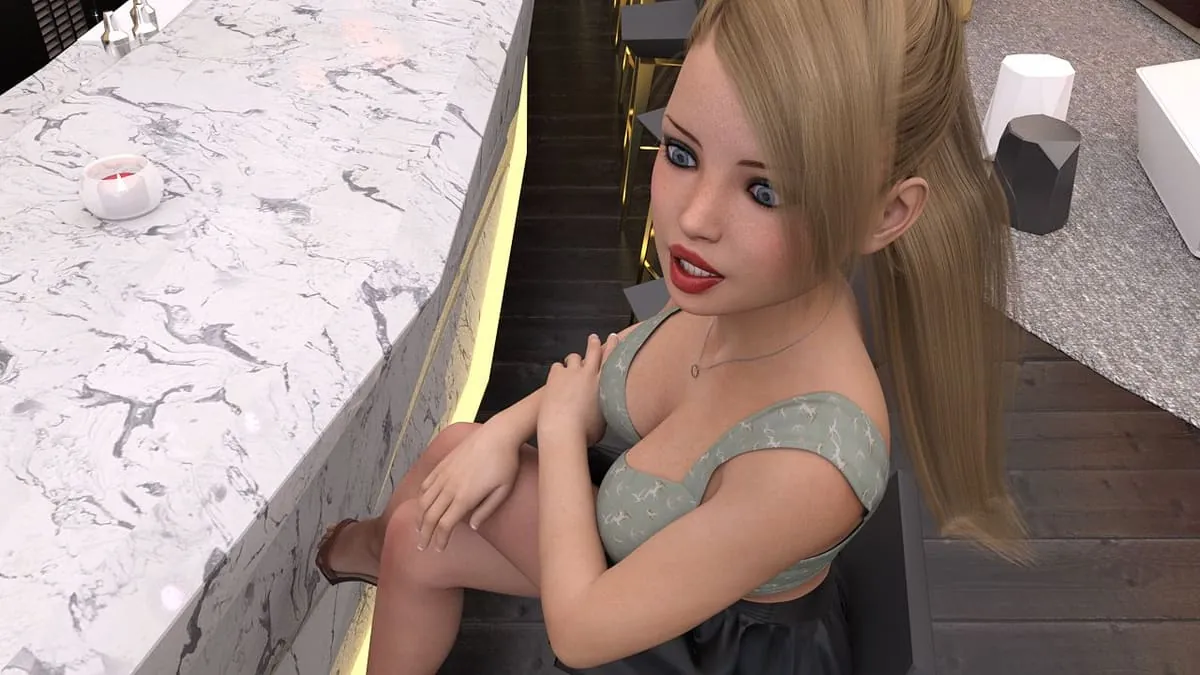
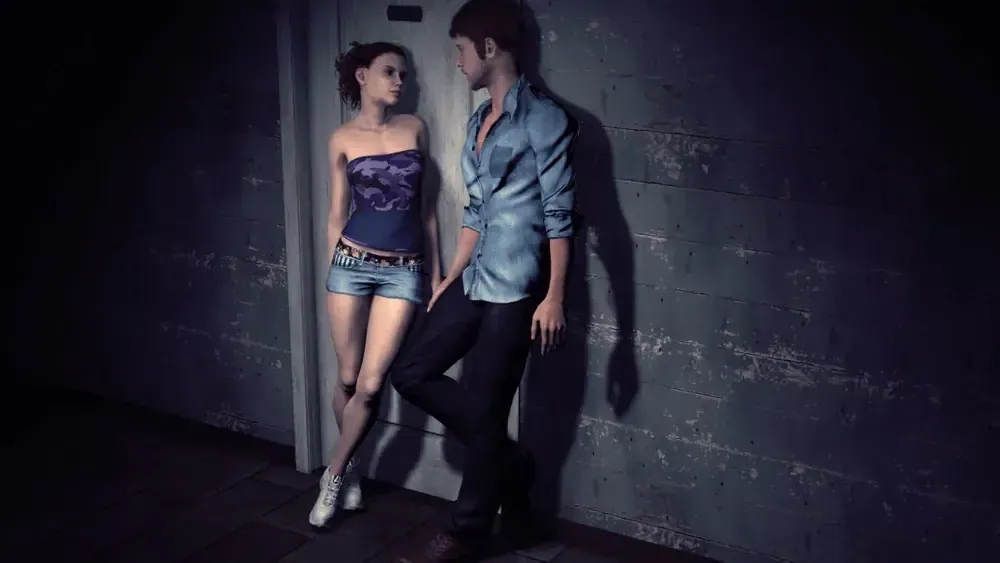
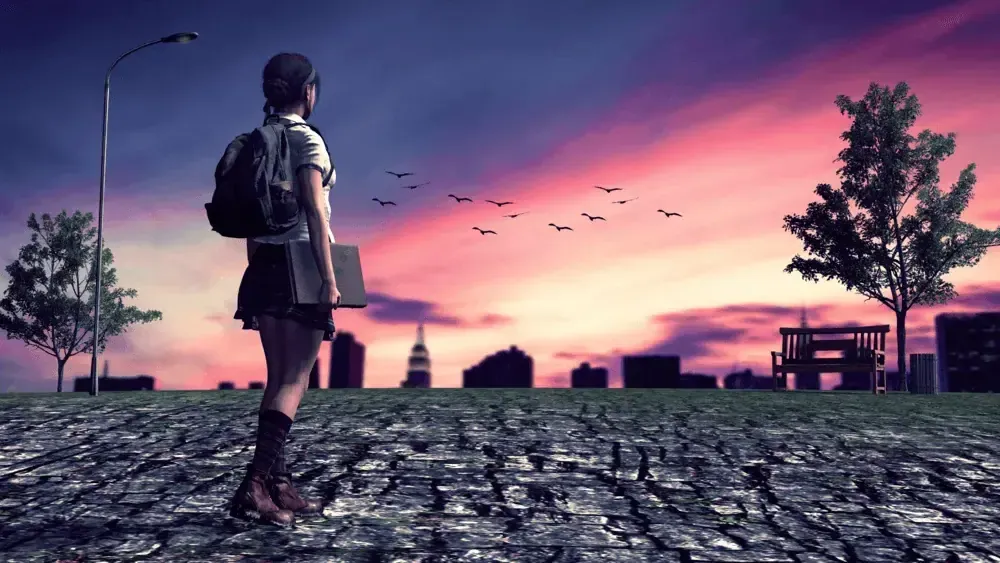
Have you ever played a game that left you staring at the screen, heart heavy with bittersweet emotions? That’s Short Sad Stories for you—a Pent Panda masterpiece blending poignant tales of young adults navigating love, loss, and hidden desires in a bustling city. Follow Alice’s dreamy wanderings between reality and fantasy, Zach’s heroic yet empty return, and Olivia’s shadowy friendships laced with secrets. This interactive visual novel isn’t just about branching paths and steamy encounters; it’s a journey of maturity through player-driven choices that hit deep. In this guide, I’ll share my playthroughs, personal takeaways, and tips to fully immerse yourself in Short Sad Stories’ emotional depth and sensual twists. Ready to uncover its layers?
Why Short Sad Stories Captivates with Its Heartbreaking Narratives?
Let me tell you about the time I thought I could save everyone. 😅 I was playing through Short Sad Stories for the second time, armed with the knowledge of every tragic turn, convinced I could engineer a happy ending for Alice. I made all the “right” choices, nurtured every positive interaction, and held my breath… only to be met with the same poignant, beautiful conclusion. That’s when it clicked. This isn’t a game about changing fate; it’s about understanding the people living within it. Pent Panda’s masterpiece isn’t trying to make you the hero—it’s inviting you to be a witness, a friend in the quiet moments before the fall. This profound focus on emotional storytelling is what makes the Short Sad Stories narrative so uniquely captivating.
So, what is Short Sad Stories about? At its heart, it’s a tapestry of three young adults in a bustling, indifferent city, navigating the messy transition into maturity. Their stories are separate yet echo one another, bound by shared feelings of isolation and yearning. The brilliance of the Short Sad Stories characters isn’t that they’re likable every second, but that they are heartbreakingly real.
Unpacking the Intertwined Tales of Alice, Zach, and Olivia
The core of the experience lies with its trio. You don’t just play their stories; you gently unravel them, like carefully opening a folded letter that’s been crumpled and smoothed out many times.
My first playthrough belonged to Alice, and her story left an indelible mark. Alice Short Sad Stories explores a painful divide between fantasy and reality. She crafts elaborate, romantic daydreams to escape her lonely and unfulfilling daily life. I felt a pang of recognition every time she’d drift into one of these scenarios—a defense mechanism so many of us use. The game doesn’t judge her for it; instead, it shows the cost. The pivotal moment for me was curating the items in her special box. Choosing which trinkets represented true desire versus painful illusion wasn’t a puzzle to solve, but a mirror held up to my own understanding of her. It’s a devastatingly intimate mechanic.
Then there’s Zach, the aspiring musician whose story is a brutal lesson in failed heroism. 😔 He wants to fix things, to be the rock for his friends and his own dreams, but the city has a way of grinding that idealism down. I remember making a choice for him to confront a bandmate, thinking it was the “strong” move. The result wasn’t a triumphant victory, but a messy, awkward argument that left everyone feeling worse. It perfectly captured how our good intentions can sometimes cause the most damage. His arc is a raw look at ambition clashing with powerlessness.
Olivia completes the set, a character whose calm exterior hides a storm of themes of loss and regret. Her path is often about letting go and the quiet hope that follows. While Alice builds fantasies and Zach fights reality, Olivia is often trying to make peace with it. Replaying her memories, seeing the same events from a slightly more mature perspective, offered a catharsis the other stories approached differently. It’s a softer sadness, tinged with the warmth of acceptance.
How Inevitable Sadness Meets Player Agency
This is the genius of Short Sad Stories as an emotional storytelling game. You have control, but not over the outcome. Your choices determine the depth of the sadness, not its existence. Will you understand why Alice feels so trapped? Will you see the exact moment Zach’s confidence shatters? Will you grasp what Olivia is truly mourning?
The agency lies in connection. Clicking through a conversation and choosing a supportive, gentle response over a dismissive one won’t unlock a secret happy ending. Instead, it might unlock a hidden memory, a extra line of dialogue where the character reveals a vulnerability they’d otherwise keep buried. You’re not playing to win; you’re playing to comprehend. This transforms the experience from a series of failures into a journey of profound empathy. The emotional payoff isn’t a “Game Over” screen, but a deep, resonant feeling of having truly known someone.
“That moment with the photograph box wrecked me—pure genius. I sat there long after the credits, just thinking.”
Themes of Maturity and Hidden Desires in a Busy City
The setting of a nameless, busy city is the fourth main character. It’s a place of endless motion but little genuine connection, a perfect pressure cooker for the game’s central themes of loss and regret, longing, and the slow, often painful path to emotional maturity. Each character’s struggle is a facet of growing up: learning that you can’t live in a dream, that you can’t save everyone, and that peace sometimes means accepting what you cannot change.
These themes are expertly woven into the gameplay itself. To see how, let’s break down the core journeys:
| Story Arc | Core Theme | Emotional Payoff |
|---|---|---|
| Alice’s Journey | Fantasy vs. Reality, Loneliness | The bittersweet courage in choosing to engage with the real world, one small step at a time. |
| Zach’s Struggle | Failed Heroism, Artistic Integrity | The maturity found in accepting responsibility for your actions, even the well-intentioned mistakes. |
| Olivia’s Path | Letting Go, Quiet Hope | A serene catharsis that comes from understanding the past without being chained to it. |
This structure ensures that every interaction, every small choice you make, feeds directly into these universal feelings. The game argues that sadness isn’t just an emotion to be avoided; it’s a proof of having cared, a integral part of the human experience. 😌
My actionable advice for your playthrough? Don’t rush to “complete” it. Prioritize one character per playthrough. Sit with their story. Let the Short Sad Stories narrative sink in before jumping to the next. On replays, you’ll notice subtle branching paths—a different conversation here, a new item to examine there—that enrich your understanding of the web connecting these lives. The Short Sad Stories characters have more to say if you’re willing to listen multiple times.
In the end, Short Sad Stories stands as a pinnacle of visual novel sad stories because it respects both the intelligence of the player and the dignity of its characters. It doesn’t manipulate you with cheap tragedy; it builds a foundation of authenticity so that the emotional moments feel earned and true. Ready to see how these delicate stories are brought to life through its unique gameplay and style? That’s a journey for our next chapter.
Short Sad Stories by Pent Panda stands out as a visual novel that weaves emotional depth with meaningful choices and intimate moments, leaving a lasting impact through its tales of Alice, Zach, Olivia, and their circle. From branching paths that reshape understanding to quiet actions carrying profound weight, it’s a game that transforms players. My multiple playthroughs revealed layers of hope amid sadness, proving it’s more than entertainment—it’s catharsis. If you’re craving a narrative-driven experience blending drama, romance, and sensuality, download the Final + DLC version today. Dive in, make those choices, and let the stories change you. What’s your first playthrough ending going to be?