Rightful Ownership
Play Rightful Ownership
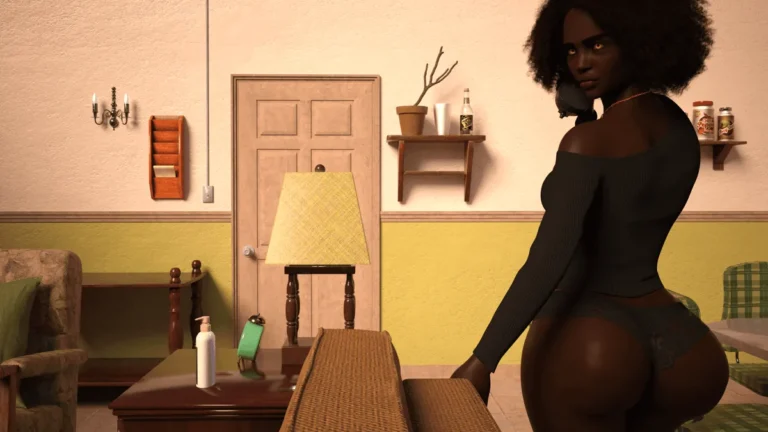
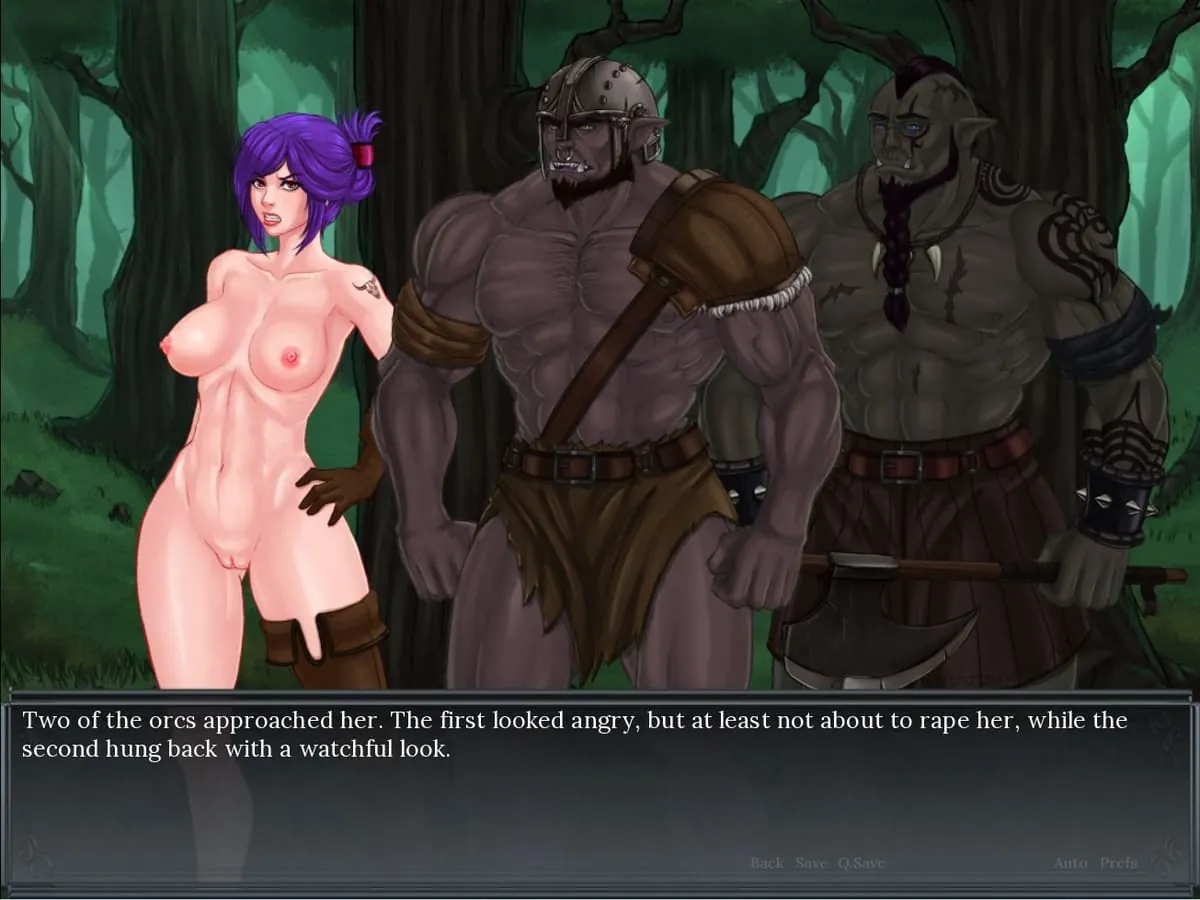
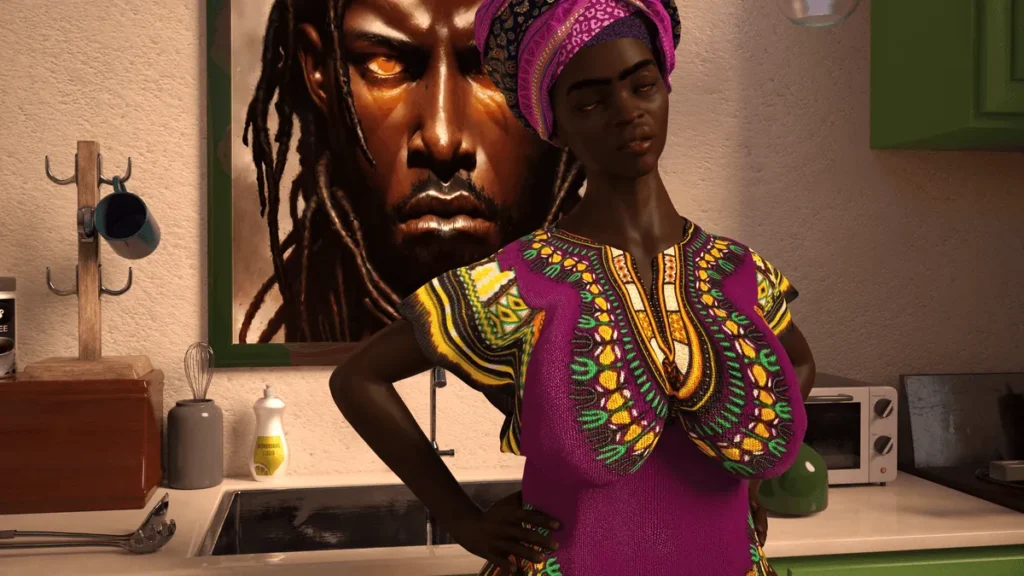
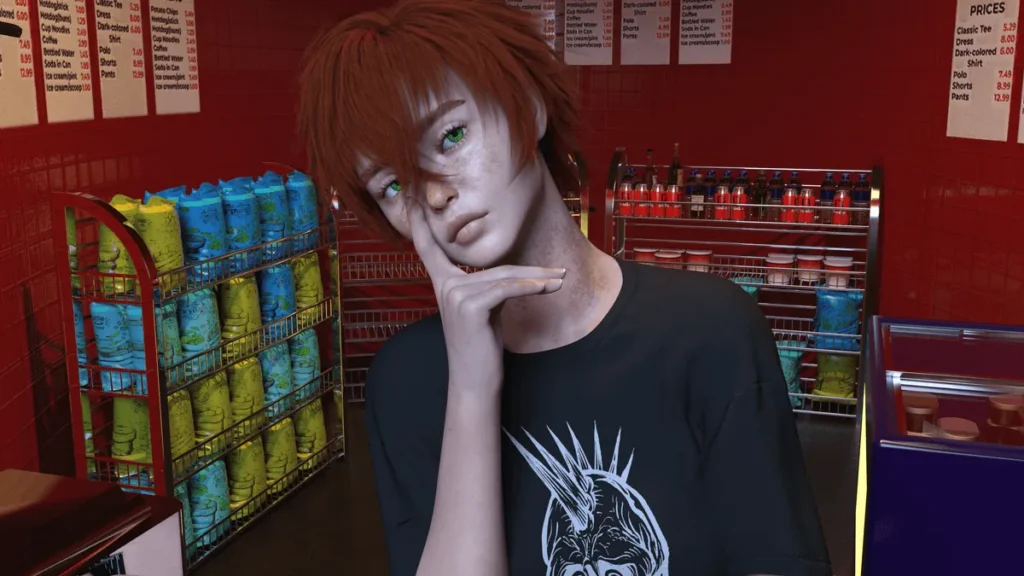
Rightful Ownership Screenshots



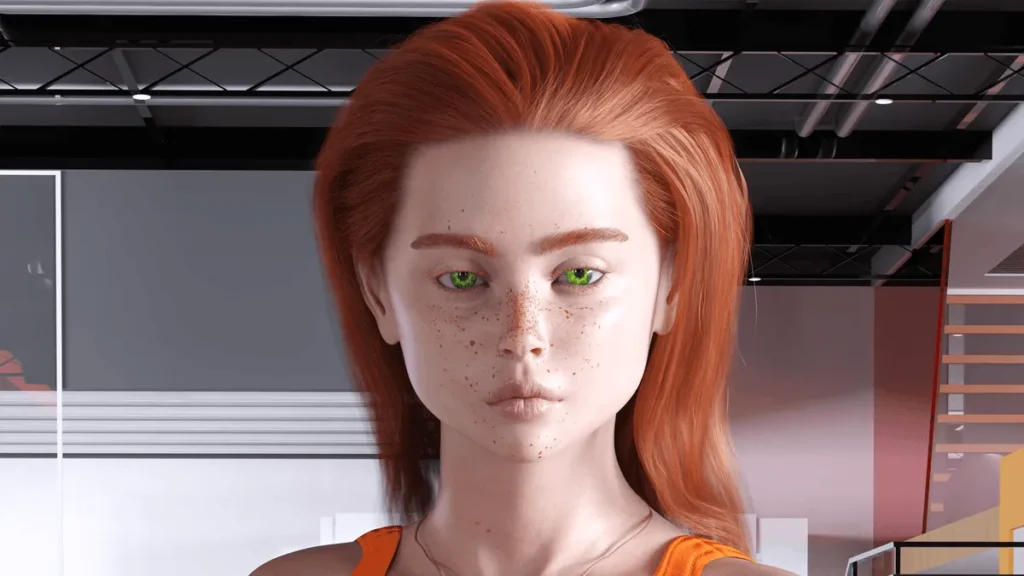

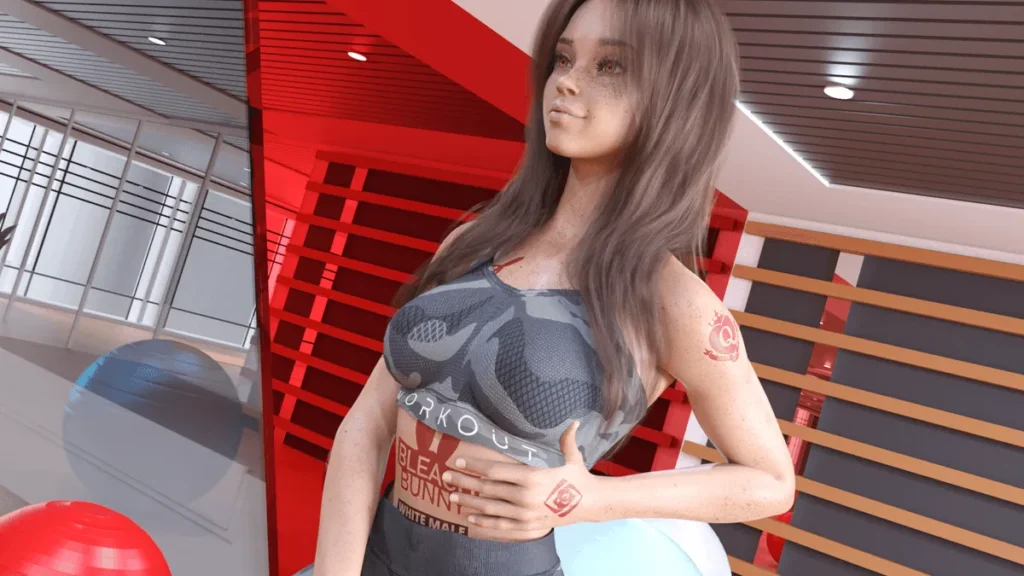

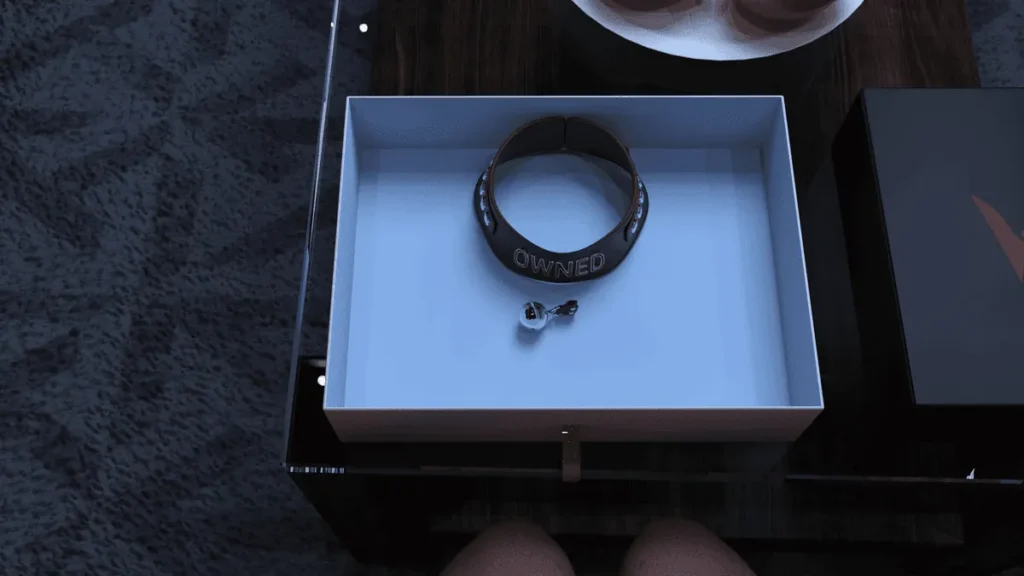
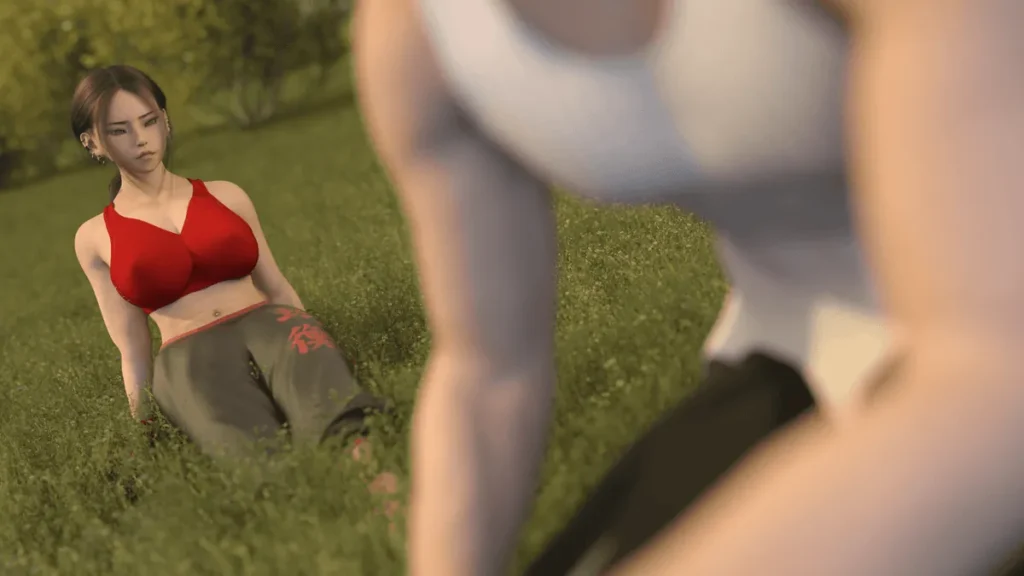
Rightful Ownership review
Explore gameplay mechanics, features, and what makes this indie title stand out
Rightful Ownership is an indie game available across multiple platforms including Windows, macOS, Linux, and Android. This guide provides a comprehensive overview of the game’s mechanics, features, and what players should know before diving in. Whether you’re a seasoned indie game enthusiast or exploring new titles, understanding what Rightful Ownership offers will help you decide if it aligns with your gaming preferences. We’ll break down the essential elements that define this unique indie experience.
Understanding Rightful Ownership: Game Overview and Core Mechanics
Ever been scrolling through Itch.io, that wonderful digital bazaar of creative chaos, and stumbled upon a game that just clicks? 🤔 That was me with Rightful Ownership. I was in one of those moods, tired of the same old triple-A formulas, craving something with a bit more soul and a lot more cleverness. This little gem, tucked away amongst countless other Itch.io games, immediately caught my eye with its provocative name and stark, stylish visuals. I downloaded it on a whim, and what I found was a masterclass in focused, inventive indie game design.
So, what is Rightful Ownership? At its heart, it’s a puzzle game, but to call it just that feels like calling a symphony just a bunch of notes. 🎵 It’s a tense, atmospheric experience built on a single, brilliantly executed premise: you must prove you own the space you’re in. This simple idea blossoms into a world of compelling indie game mechanics that will challenge your perception, your timing, and your nerves. Let’s pull back the curtain on this captivating cross-platform indie title.
What is Rightful Ownership and Who Created It?
Rightful Ownership is the brainchild of a solo developer or a very small team—the exact kind of passionate creator that platforms like Itch.io were made for. This isn’t a product churned out by a corporate machine; it’s a personal, polished vision. You can feel the developer’s hand in every deliberate silence, every stark environmental detail, and every clever twist of the rules. The indie game design philosophy here is one of minimalism and maximum impact: do one thing, and do it extraordinarily well.
The narrative, while not spoon-fed, is deeply woven into the atmosphere. You’re not a space marine or a chosen hero. You’re… someone in a place. Maybe it’s an abandoned facility, a forgotten archive, or a surreal dreamscape. The “why” is often left to your imagination, but the “what” is crystal clear: doors are locked, systems are inert, and a calm, automated voice (or text) repeatedly challenges your presence. Your goal is to satisfy the system’s protocols to progress. It creates an incredible sense of place and purpose without a single cutscene.
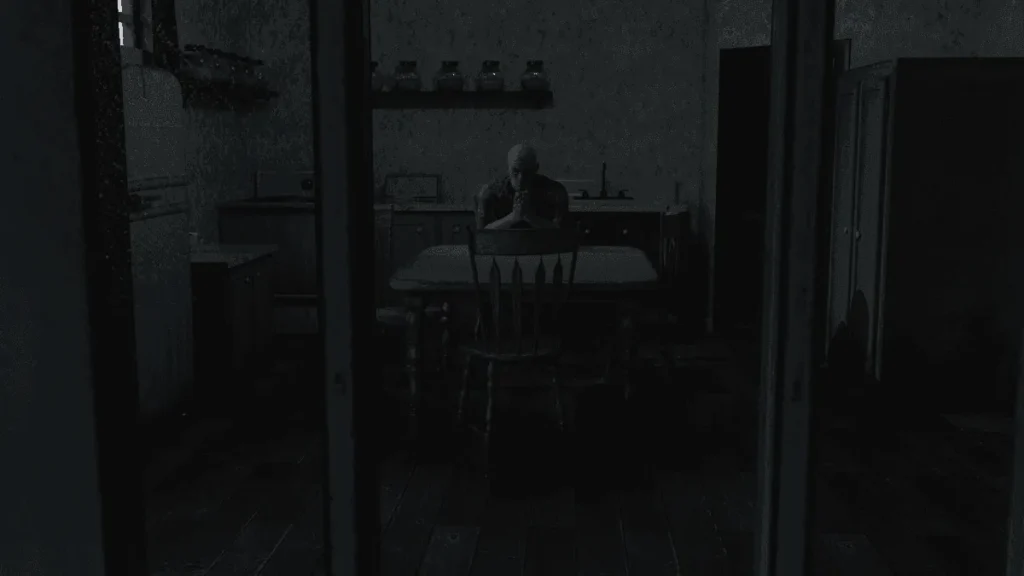
I remember my first few minutes with this downloadable game. The initial room was bare, almost clinical. A door was sealed shut. A panel on the wall glowed with a single, unblinking red light. A message appeared: “Ownership Unverified.” No tutorial pop-up, no quest marker. Just me, the room, and the quiet hum of machinery. That moment of pure, unguided discovery is a hallmark of the best indie experiences. I started clicking, interacting, and slowly the game’s logic unveiled itself. It was a “Eureka!” moment that hooked me for hours.
Platform Availability and Accessibility
One of the most impressive and player-friendly aspects of the Rightful Ownership game is its incredible reach. In an era where exclusivity often locks players out, this title embraces inclusivity. It’s a truly cross-platform indie title, available on all the major desktop and mobile operating systems. This commitment to accessibility means that whether you’re on a Windows gaming rig, a macOS laptop, a Linux machine, or just want to play on your Android tablet during a commute, you can have the same complete experience.
Getting the game is a breeze, thanks to its home on Itch.io. The platform is a haven for experimental and niche projects, and downloading is straightforward. You pay (often with the option to pay more to support the dev—a great practice!), and you get direct access to the files. No cumbersome launchers, no mandatory accounts with a corporate parent company. It’s a direct transaction between you and the creator. This distribution model is a core part of the charm of Itch.io games; it feels personal and supportive of the creative process.
Here’s a quick breakdown of where you can play:
| Platform | Device Type | Notes |
|---|---|---|
| Windows | Desktop/PC | The primary development platform, runs flawlessly. |
| macOS | Desktop/Laptop | Full native support, optimized for Apple Silicon. |
| Linux | Desktop/PC | Official builds available, a treat for the open-source community. |
| Android | Phone & Tablet | Touch controls are expertly adapted; perfect for on-the-go play. |
Pro Tip: 👉 I’ve played on both Windows and Android, and the experience is seamless. The touch controls on mobile are surprisingly intuitive for a game about precise interaction. Playing in short bursts on a tablet feels just as engaging as a long session at my desk!
This wide availability isn’t just a technical checklist. It speaks to the developer’s dedication to letting as many people as possible engage with their work. It removes barriers and ensures that the unique puzzles and atmosphere of this downloadable game aren’t locked behind hardware preferences.
Core Gameplay Mechanics and Features
Now, let’s dig into the meat of the experience: the brilliant indie game mechanics that make Rightful Ownership so memorable. The core loop is deceptively simple, but the layers of complexity it adds are where the genius lies.
The Central Premise: Proof of Ownership
Every puzzle room is a closed system. To open the exit, you must convince the environment that you belong there. This isn’t about finding a keycard. It’s about interacting with the world’s logic. You might need to:
* Trigger specific sensors in the correct order.
* Manipulate energy flows to power “verification” terminals.
* Align symbols or patterns to satisfy a silent protocol.
* Use environmental elements to create a chain reaction that ultimately “signs” your access rights.
The game teaches you its language through doing. Early rooms establish basic verbs: you can click to interact, drag to connect, or sometimes just wait and observe. There’s no hand-holding. The satisfaction comes from that moment of understanding, when the obscure becomes obvious.
Atmosphere & Tone: The Silent Partner
The gameplay is tightly married to a distinct, oppressive atmosphere. Sound design is minimal but critical—the hum of machinery, the click of a successful connection, the foreboding silence when you’re unsure. The visual style is clean, often using stark geometry and a limited color palette to direct your attention. This isn’t a horror game, but it generates a potent sense of tension and isolation. You feel like an intruder in a system that is awake and watching. 🕵️
Evolving Complexity & “Aha!” Moments
What begins as simple switch-flipping gradually evolves. The game introduces new elements that play with your expectations. One puzzle had me stumped for a good twenty minutes. I was trying to activate a series of plates on the floor, but nothing worked. I finally stepped back (figuratively) and realized I wasn’t meant to activate them myself. The solution involved luring a roaming… let’s call it a “custodial drone”… across the plates in a specific pattern. The indie game design here is impeccable—it changes the rules by expanding your understanding of the world, not by throwing arbitrary complications at you.
Features That Make It Stand Out:
* Non-Verbal Storytelling: The plot is in the pipes, the panels, and the architecture.
* Pure Puzzle Focus: No combat, no filler, just the elegant stress of solving a problem.
* Replayability for Mastery: Once you know the solutions, you can replay to perfect your route and speed, chasing that flawless run.
* Community & Sharing: As with many Itch.io games, there’s a vibrant community around sharing puzzle solutions (when you’re truly stuck) and marveling at the game’s clever design.
Ultimately, the Rightful Ownership game stands out because it has a confident, singular vision. It doesn’t try to be everything to everyone. It identifies a compelling, unique mechanic—the act of proving you belong—and explores every conceivable nuance of it. This focused creativity is the lifeblood of the indie scene. It’s a testament to what a small team with a big idea can achieve: a world that feels alive with rules, a challenge that respects your intelligence, and an experience that stays with you long after you’ve verified your final piece of Rightful Ownership. 🔒✨
Rightful Ownership represents an interesting entry in the indie game landscape, available across multiple platforms through Itch.io. The game offers a unique experience that has garnered attention from the indie gaming community, with players sharing diverse perspectives on its mechanics and design. Whether you’re interested in exploring indie titles or seeking something different from mainstream gaming, understanding what Rightful Ownership brings to the table helps inform your decision. As the indie game scene continues to evolve, titles like this demonstrate the creative diversity available to players willing to explore beyond traditional gaming platforms. Consider checking out the game on Itch.io to form your own opinion and join the ongoing community conversation.