
Our Red String
Play Our Red String
Our Red String Screenshots

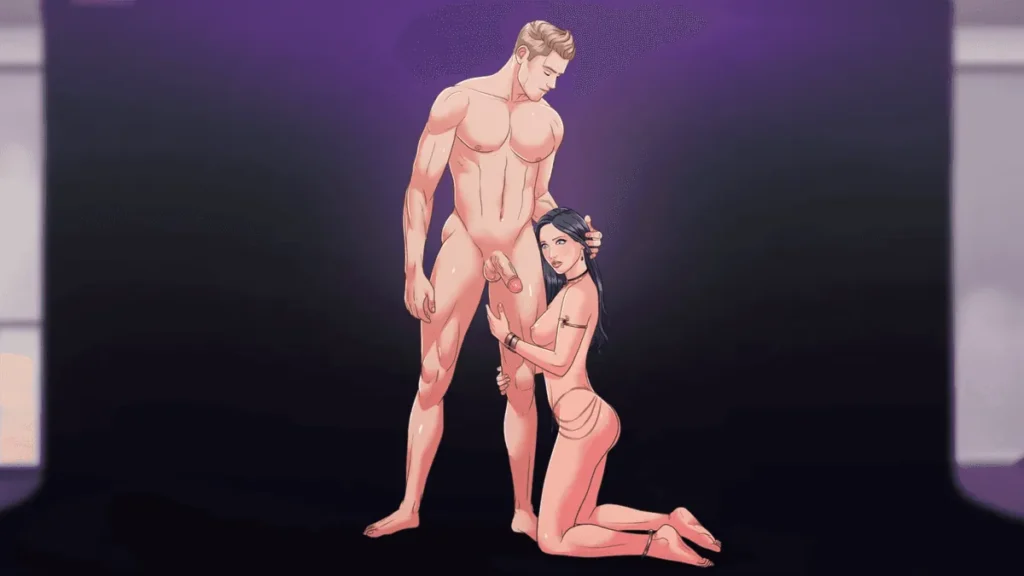


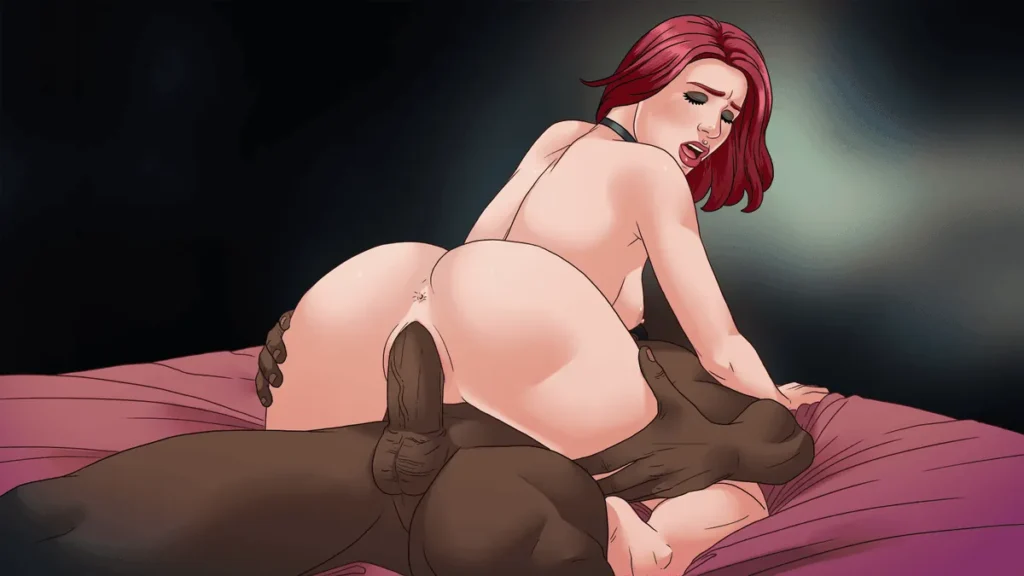
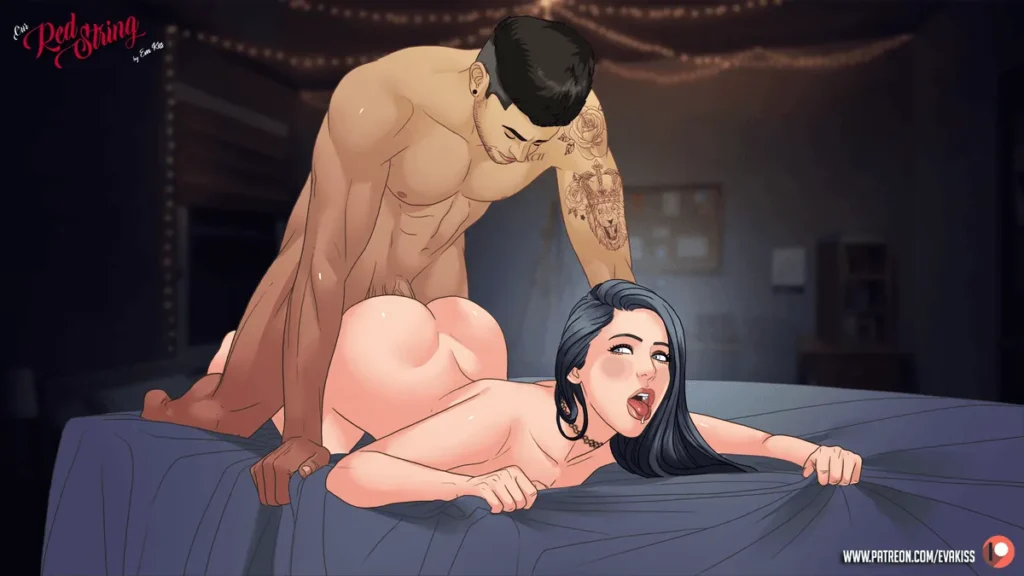
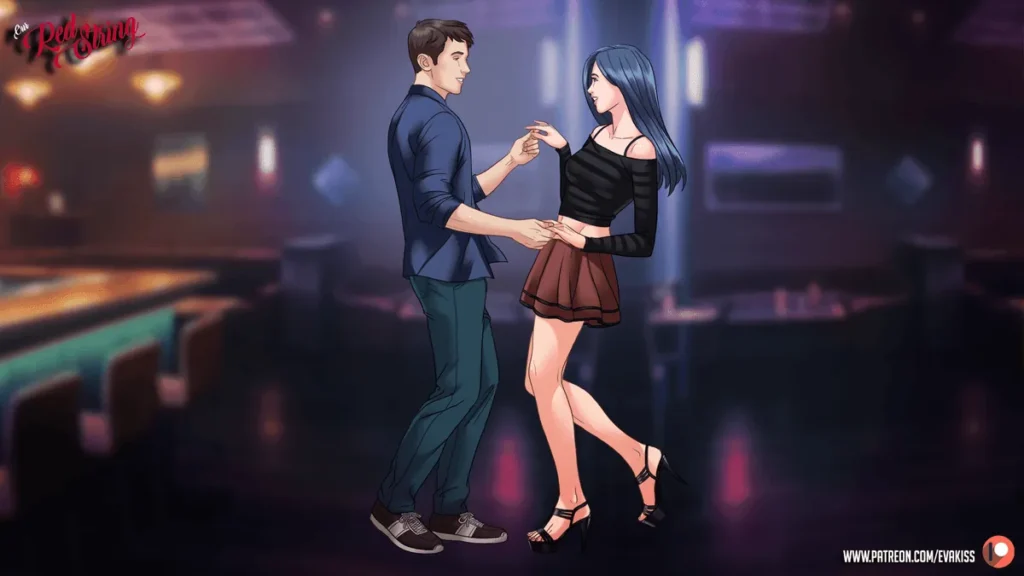
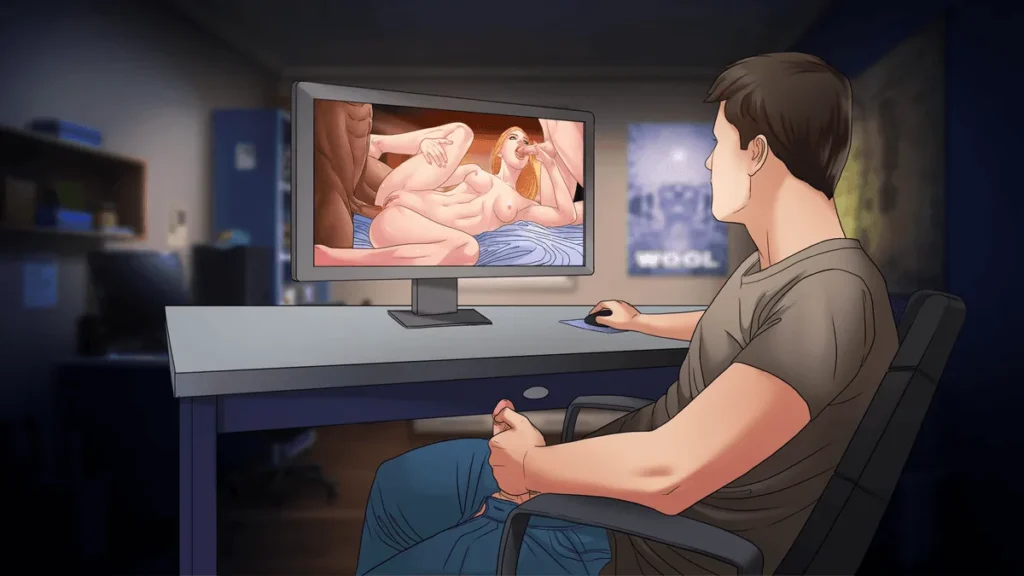
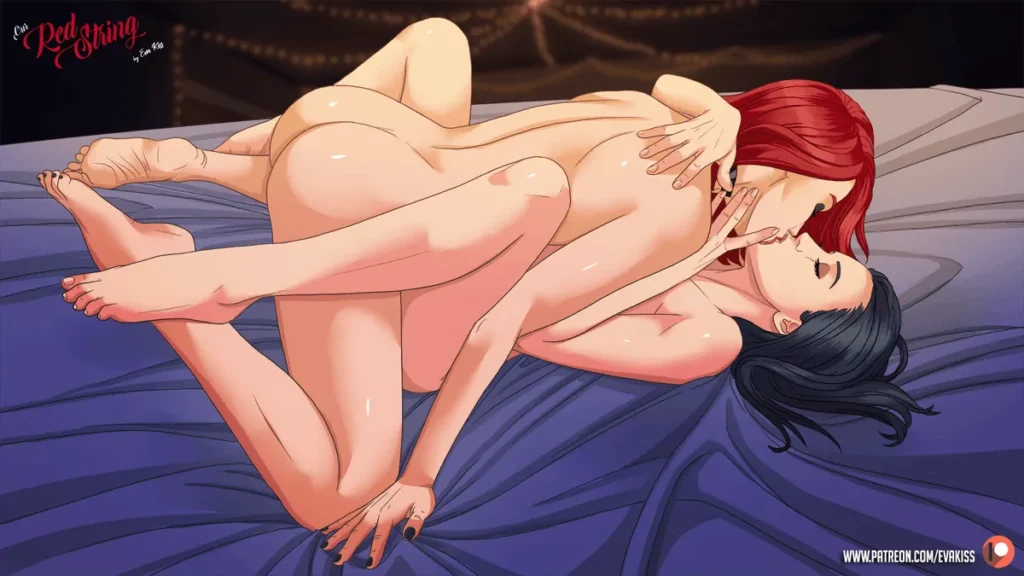

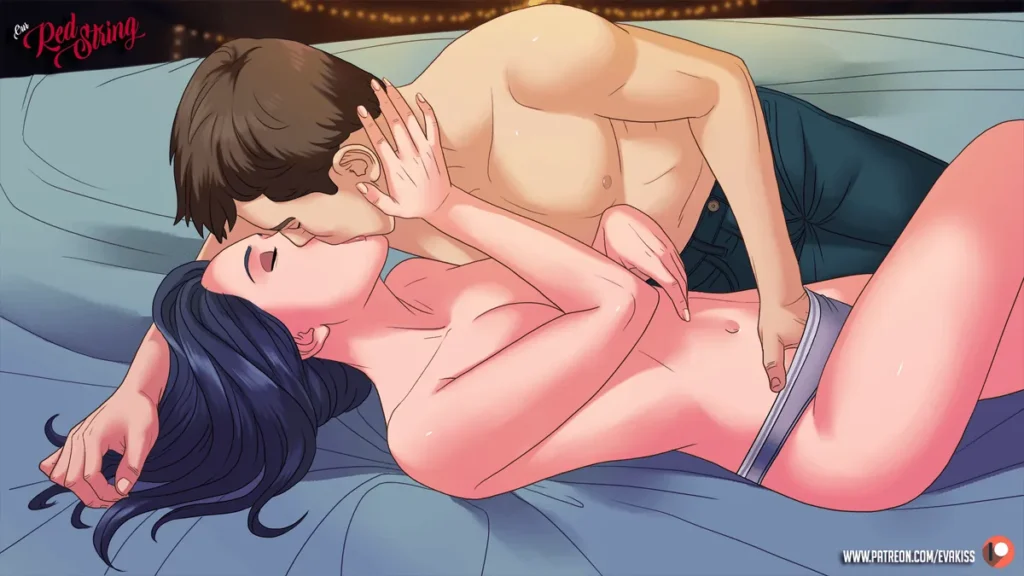


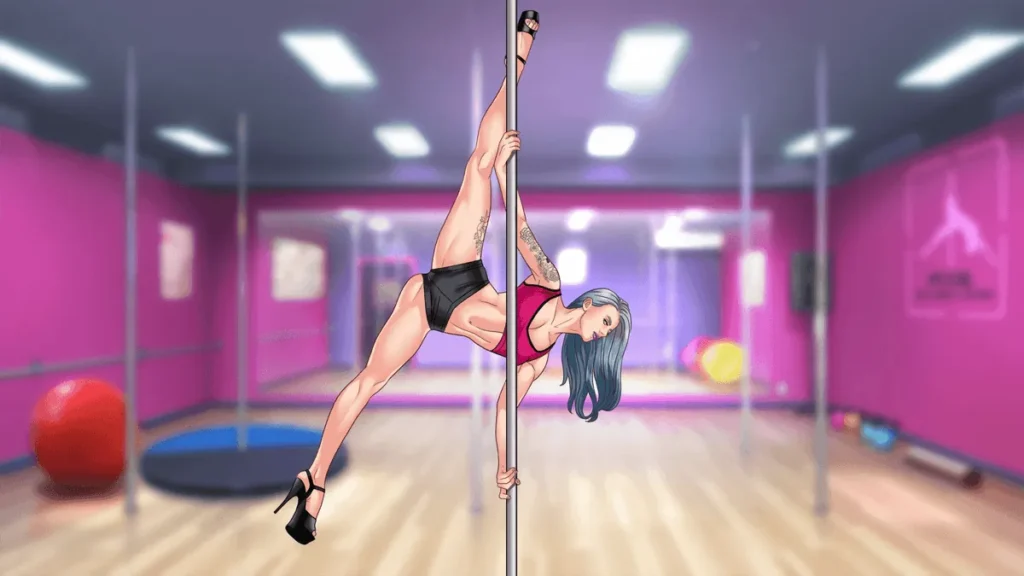

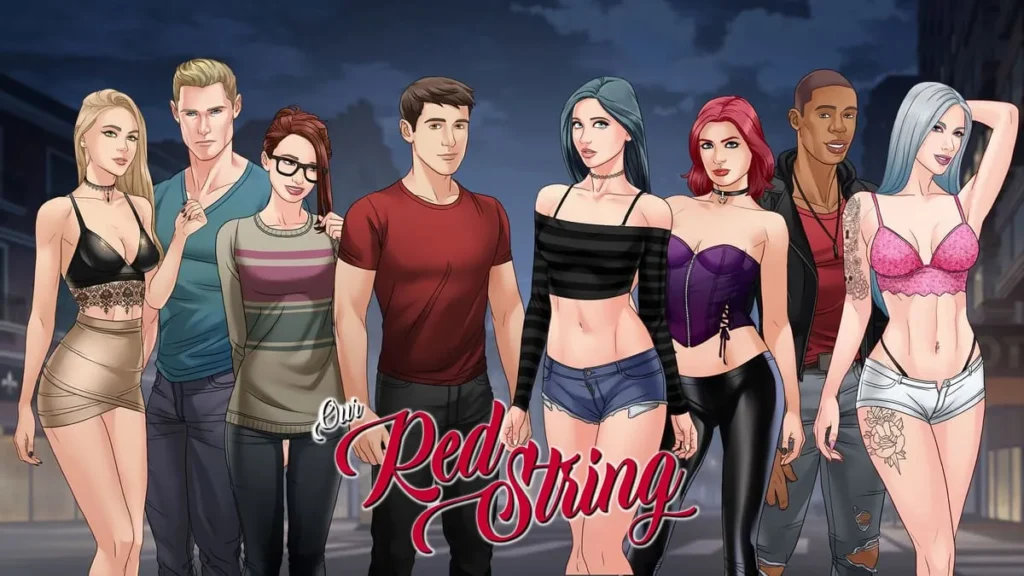
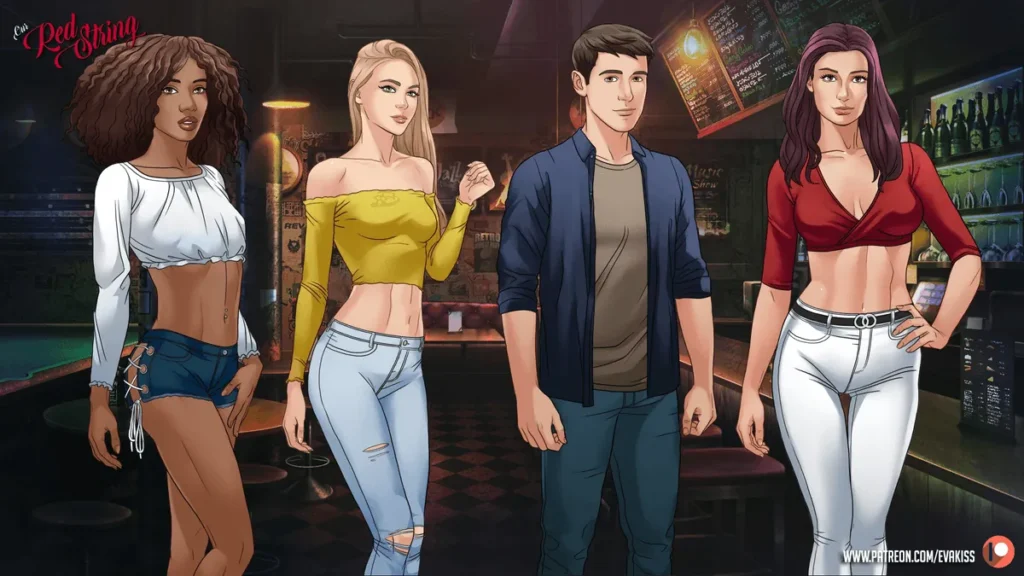


Our Red String review
Explore the dual-protagonist narrative, character relationships, and branching paths in this choice-driven visual novel
Our Red String stands out as a non-linear visual novel experience where your decisions genuinely shape the narrative. Created by Eva Kiss, this dual-protagonist game follows Lena and Ian through interconnected storylines filled with meaningful choices that determine character relationships, story outcomes, and multiple endings. Whether you’re navigating romantic entanglements, building friendships, or exploring complex character dynamics, understanding how the game’s choice system works is essential for experiencing all the content this intricate narrative has to offer. This guide breaks down the mechanics, character paths, and strategic decision-making that define the Our Red String experience.
Understanding Our Red String’s Dual-Protagonist System
Ever feel like you’re living two lives at once? 💼😈 That’s the exact sensation, the brilliant tension, that Our Red String captures so perfectly. At its heart, this isn’t just another visual novel—it’s a fascinating social experiment where you hold the reins of two very different people. The core Our Red String gameplay mechanics challenge you to balance their independent desires, their intertwined fates, and the massive consequences of every whispered secret and bold decision.
Welcome to the unique world of a dual protagonist visual novel. You don’t just guide one character to their happy ending; you orchestrate the messy, beautiful, and often chaotic symphony of two. Lena and Ian aren’t mere avatars; they are distinct voices, with their own flaws, dreams, and moral compasses. Your job isn’t to merge them into a single ideal, but to navigate their separate journeys as they inevitably crash into each other’s worlds. This choice-driven narrative game asks a profound question: can you manage the fallout of your own decisions when you’re the one who made them from both sides of the story?
### How Lena and Ian’s Stories Intertwine
Picture this: on my very first playthrough, I was determined to make Lena a confident go-getter. I boosted her Charisma, had her charm everyone at a work event, and landed her a promising opportunity. Feeling proud, I switched to Ian’s perspective. To my horror, I discovered that the slick music producer Lena just impressed was the same guy who was exploiting Ian’s band. My “triumph” for one protagonist had just created a devastating obstacle for the other. 😲 This is the magic of Our Red String.
Lena, an aspiring writer wrestling with self-doubt and a mundane job, and Ian, a passionate musician drowning in frustration and debt, seem to orbit different worlds. Yet, the city they live in is small, and their social circles are porous. The bar Ian plays at might be where Lena’s boss hangs out. The friend Lena confides in might date a member of Ian’s band. You will constantly see the ripple effects of your choices echoing between their chapters.
The game’s genius lies in its silent cause-and-effect. A choice you make as Lena in Chapter 3 doesn’t just alter her path; it quietly changes the backdrop of Ian’s Chapter 4.
This creates an unparalleled depth in Our Red String character relationships. You’re not just building Lena’s relationship with Ian, or Ian’s with Lena. You’re managing a web of connections: Lena’s rapport with her roommate, Ian’s loyalty to his bandmate, and how each of these peripheral bonds influences the central thread between them. Siding with one friend over another can unlock support later or breed resentment that blocks off a crucial helping hand. It’s a constant, thrilling juggling act where every relationship is a tool, a barrier, or a landmine.
### The Non-Linear Narrative Structure
Forget the idea of a straight path from A to B. Our Red String is a sprawling, living map of possibilities. Your story is built on a foundation of hundreds of hidden variables—invisible checkboxes like v1_alisonlunch or v2_robert_reject that the game tracks silently. Think of them as the DNA of your unique playthrough. Every decision, from a major moral stance to a seemingly trivial compliment, flips one of these switches, permanently shaping the narrative landscape.
This is where the true branching storyline choices impact reveals itself. Early game choices cascade into later consequences with breathtaking scope. For instance, whether Lena offers genuine encouragement to a shy co-worker early on might determine if that co-worker feels brave enough to share crucial gossip with her months later, gossip that could expose a rival’s scheme. A small act of kindness as Ian could fill a “Trust” stat with a bandmate, which might be the deciding factor in whether they stick with him during a crisis or walk away for good.
This structure means there is no single “true” story. There are dozens of authentic stories waiting to be told. Did Lena and Ian become supportive lovers, bitter rivals, cautious friends, or did they never truly connect at all? The Our Red String multiple endings aren’t just a finale slide; they are the cumulative result of every stat check, every triggered variable, and every relationship you’ve nurtured or burned along the way. The game rewards exploration, with extensive scene galleries that unlock only when you hit very specific, often hard-to-achieve combinations of choices and stats. 🗺️✨ Replaying to discover these hidden moments is a core part of the experience, revealing just how much content your first blind run inevitably missed.
### Character Stat Systems and Relationship Tracking
If the variables are the story’s skeleton, the stat system is its beating heart. This isn’t about leveling up to win fights; it’s about shaping personality and social capital. Each protagonist has their own set of core attributes that act as both a reflection of your choices and a gatekeeper for future opportunities.
Lena might develop Charisma (smooth social skill) or Will (inner strength and resolve), while Ian might build Skill (musical talent) or Daring (willingness to take risks). But the most captivating stats are the interpersonal ones, especially Lust and the unique character-specific meters like “Ian’s Satisfaction with Lena” or “Lena’s Trust in Ian.” These metrics are the quantifiable chemistry—or lack thereof—between them.
Let me break it down with an example. Say Ian is trying to be vulnerable and share his musical frustrations with Lena. The game might check Lena_Empathy > 5 and Ian_Satisfaction > 3 to see if the moment becomes a deep, bonding conversation. If those stats are too low, the option might not even appear, or the conversation could fizzle awkwardly, lowering his Satisfaction further. It’s a brilliant relationship stat system visual novel mechanic that makes feelings tangible. You’re not just guessing if they like each other; you’re watching a number climb or fall based on your empathetic (or selfish) choices.
These stats directly gate content. A high enough mutual Lust and Trust might unlock an intimate, tender scene. A low Satisfaction mixed with high Daring might lead to a dramatic, hurtful argument. You’re constantly managing the emotional economy between them. The game brilliantly uses these numbers not as a crude scorecard, but as a nuanced language of their evolving relationship.
To visualize how these core levers work, here’s a breakdown:
| Stat | Primary Influence | Max Value & Impact |
|---|---|---|
| Lust | Governs attraction, physical intimacy options, and flirtatious dialogue paths. High Lust opens romantic and sensual scenes but doesn’t guarantee emotional depth. | Caps at 10. A very high Lust (8+) is often required for the most intimate encounters, but must be paired with other stats like Trust for positive outcomes. |
| Charisma (Lena) / Daring (Ian) | Social confidence and willingness to take social risks. Affects persuasion, networking, and performing under pressure. | Caps at 10. Critical for career-advancing choices, public speaking, negotiating deals, or confronting rivals. Unlocks bold, proactive story branches. |
| Will (Lena) / Skill (Ian) | Internal fortitude or honed talent. Determines resilience to stress, quality of creative work, and perseverance in the face of failure. | Caps at 10. High levels prevent negative spiral events, enable masterpiece-level creations (songs/articles), and provide mental health “armor.” |
| Character-Specific Satisfaction (e.g., “Ian’s Sat.”) | The most crucial relationship metric. Tracks how one protagonist feels about the other based on received support, understanding, and shared moments. | Fluid, often between -10 and +10. This is the true “relationship health” bar. Positive values unlock supportive interactions and conflict resolution options; negative values lead to breakups, bitterness, and locked paths. |
Mastering this system is key to navigating the Our Red String gameplay mechanics. You learn to make choices not just for immediate gratification, but for long-term stat cultivation. Maybe you intentionally choose a less exciting option for Ian to boost his Skill, knowing you’ll need it to unlock a crucial recording studio scene later. Perhaps you let Lena succumb to a moment of weakness, lowering her Will but raising Lust, because you’re aiming for a specific, passion-fueled story branch. It’s a constant, engaging puzzle where your tools are human emotions and social dynamics.
Ultimately, Our Red String presents a masterclass in interactive storytelling. Its dual protagonist visual novel format, profound branching storyline choices impact, and intricate relationship stat system fuse together to create an experience that feels less like playing a game and more like nurturing—or accidentally dismantling—two fragile, interconnected lives. The pursuit of its many Our Red String multiple endings isn’t about completionism; it’s about curiosity. It’s about answering the endless “what if” that each beautifully crafted choice inspires. 🧵❤️🔥 Every playthrough is a new string, a new connection, waiting to be pulled. Where will your pull lead?
Our Red String delivers a compelling experience through its intricate choice system and dual-protagonist narrative. The game’s strength lies in how meaningfully player decisions shape character relationships, unlock unique scenes, and determine story outcomes. Whether you’re exploring romantic paths with specific characters, optimizing stats for particular endings, or discovering hidden content through strategic replays, the game rewards careful decision-making and experimentation. Understanding the mechanics of relationship tracking, stat systems, and variable gating transforms the experience from random clicking to purposeful narrative exploration. With multiple endings, branching storylines, and substantial replay value, Our Red String offers significant content for players willing to engage with its complex choice architecture. Start your journey by considering which character paths interest you most, then plan your stat development accordingly to unlock the scenes and endings that matter to you.