
A Summer’s End – Hong Kong, 1986
Play A Summer’s End – Hong Kong, 1986
A Summer’s End – Hong Kong, 1986 Screenshots







A Summer’s End – Hong Kong, 1986 review
Explore the heartfelt romance and steamy secrets of this 80s HK visual novel
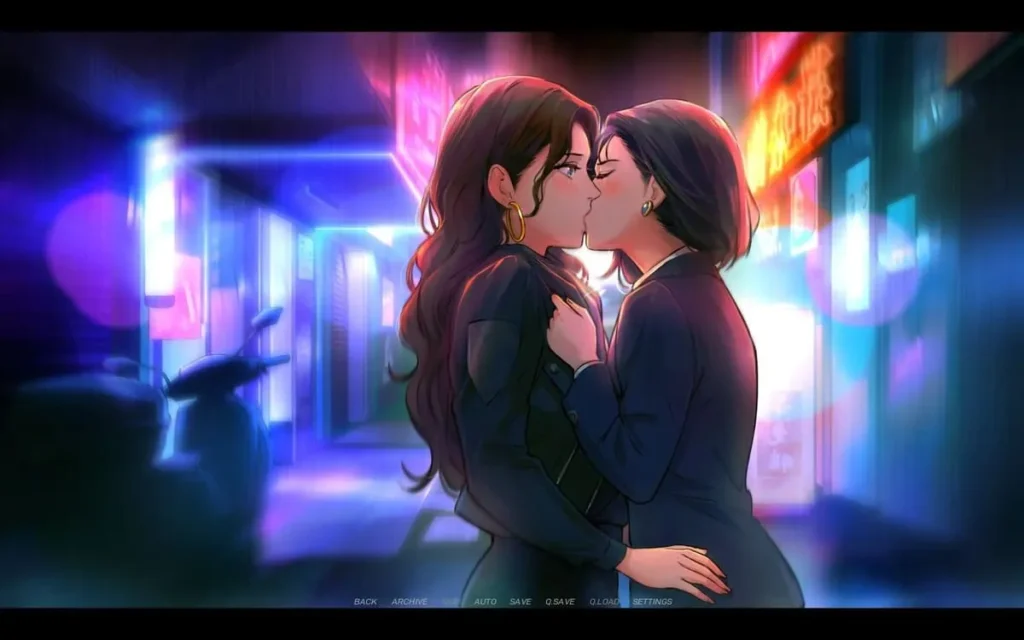
Imagine stumbling upon a hidden gem that captures the neon glow of 1986 Hong Kong while weaving a tender tale of forbidden desire between two women. A Summer’s End – Hong Kong, 1986 isn’t just any visual novel—it’s a poignant journey through Michelle’s self-discovery and her electric connection with Sam amid bustling Mong Kok streets and serene Sai Kung seasides. I first played it during a rainy night, and the way it blends authentic 80s HK vibes with emotional depth hooked me instantly. Whether you’re here for the romance, the optional adult patch that amps up the passion, or the cultural immersion, this guide dives deep into why A Summer’s End – Hong Kong, 1986 stands out in the visual novel scene. Let’s uncover its magic together.
What Makes A Summer’s End – Hong Kong, 1986 Unforgettable?
I still remember the first time I booted up A Summer’s End – Hong Kong, 1986. 🎮 It was a rainy afternoon, and within minutes, the flicker of my screen was replaced by the glow of neon signs and the sound of distant traffic. I wasn’t just playing a game; I was being pulled through a portal. Suddenly, I was walking those humid, crowded streets, feeling the weight of the city’s energy and the quiet, personal yearnings of its characters. It was a total, beautiful transport to another time. That’s the magic this queer romance visual novel weaves from the very first scene.
So, what is it about this story that sticks with you long after the credits roll? Let’s dive into the heart of A Summer’s End – Hong Kong, 1986 and explore what makes it such a singular experience.
Who Are Michelle and Sam, and Why Do They Captivate?
At its core, this is a story about two women on the cusp of change. Their connection isn’t just a plot device; it’s the engine of the entire narrative, and understanding them is key to the Michelle and Sam romance.
Michelle is someone you feel you know. She’s pragmatic, a bit worn down by routine, and navigating the expectations of her traditional family while working an office job that doesn’t quite fit. Her life is a series of “shoulds.” Then there’s Sam – the artist, the free spirit, who seems to live by her own rules, draped in confidence and a leather jacket. She represents a world of “coulds.”
When they meet by chance, the chemistry is immediate and electric ⚡. It’s not a slow burn; it’s a spark that ignites quickly, fueled by curiosity and a deep, unspoken recognition. What makes their relationship so compelling is how it acts as a catalyst. Through Sam, Michelle begins to question the rigid path she’s on. Through Michelle, Sam confronts the vulnerabilities and commitments she often sidesteps. Their romance is as much about exploring their own identities as it is about falling for each other.
The game beautifully handles family tensions without veering into tragedy. The anxiety is real, the fear of disappointment palpable, but it’s treated with a nuanced, human respect that feels true to life.
To quickly see their dynamic, here’s a look at what makes them tick:
| Michelle | Sam (Samantha) |
|---|---|
| Young office worker in the fashion industry | Independent artist and graphic designer |
| Feels trapped by family duty and social expectations | Projects a confident, rule-breaking persona |
| Pragmatic and cautious, but with a hidden yearning for more | Spontaneous and passionate, but guards her deeper emotions |
| Her journey is about self-discovery and courage | Her journey is about vulnerability and commitment |
How Does 1986 Hong Kong Bring the Story to Life?
This isn’t just a backdrop; 1986 Hong Kong is a vital character. The developers at Oracle & Bone poured an incredible amount of love into capturing the city’s essence during a pivotal, buzzing era. Playing this 1986 Hong Kong visual novel is like stepping into a living postcard.
The game masterfully uses its environments to mirror the characters’ inner lives. The Mong Kok neon streets are all crowded energy, flickering lights, and the constant murmur of life—perfect for moments of chance encounters and restless longing. 🌃 In stark contrast are the tranquil Sai Kung seascapes. These moments by the water, with their sweeping views and quieter tones, provide space for introspection, intimate conversation, and the blooming of the Michelle and Sam romance.
This attention to detail does more than set the mood. The retro technology, the fashion, the music pouring out of cafes—it all builds an authentic world that makes the characters’ struggles and joys feel grounded and real. You’re not just watching a love story; you’re visiting a specific time and place, feeling its texture, which makes the emotional journey all the more powerful.
Should You Activate the Adult Patch for Deeper Intimacy?
This is a common question for players approaching A Summer’s End Hong Kong 1986. The game includes an optional adult patch that, when installed, adds two love scenes. Having played through both ways, I can offer a personal insight.
First, it’s crucial to understand what these scenes are—and what they are not. They are not the focus of the game. Instead, they are extensions of the emotional narrative. The adult patch scenes are beautifully illustrated, tastefully presented, and, most importantly, they feel like a natural progression of Michelle and Sam’s relationship. They focus on intimacy, vulnerability, and connection rather than sheer explicitness.
My advice? If you are of age and comfortable with the content, I highly recommend playing with the patch on your first read-through. It completes the emotional arc. The payoff feels earned, and it adds a layer of depth to their commitment that makes the story’s climax resonate even more.
Without it, the story remains perfectly whole and beautiful. With it, you get the full, intended emotional spectrum of their partnership. The scenes are a celebration of their love, not a distraction from it.
Navigating the Story: Choices, Endings, and Authentic Voice
Part of what makes A Summer’s End – Hong Kong, 1986 so gripping is its storytelling style. The dialogue often reflects an oblique, East-Asian communication style where much is said in the subtext—in what is not spoken. This isn’t just a cultural touchstone; it’s a brilliant narrative tool. I found myself leaning into the screen, reading between the lines, feeling the same anxiety Michelle feels when a conversation hangs in the air. Is Sam pulling away? Did I say the wrong thing? This subtlety makes every interaction feel weighted and real.
Your choices guide Michelle through this emotional landscape, leading to one of two definitive endings:
- The Romantic Ending: This is the “true” ending most players strive for. It’s a culmination of choosing courage and honesty, leading to a profoundly moving, rain-kissed finale that is pure poetic cinema. It perfectly captures the hopeful, bittersweet feeling of a summer’s end turning into a new beginning. ❤️🌧️
- The Somber Ending: Choosing the path of fear or hesitation leads to a more melancholic conclusion. It’s not a punishment, but a realistic portrayal of what can happen when we let uncertainty dictate our lives. It’s beautifully written and packs its own emotional punch.
Actionable Advice for Your First Playthrough: Be true to Michelle’s moment. Don’t overthink it as a “game” to be won. In moments of doubt, ask what the version of Michelle who is growing bolder would do. Listen to the city around her and the longing in her heart. Often, the choice that leans toward openness with Sam is the one that leads to growth.
A Lasting Legacy of Quiet Power
In a world where queer stories can often be defined by conflict or trauma, A Summer’s End – Hong Kong, 1986 stands apart. It is, first and foremost, a love story. It prioritizes narrative, character development, and emotional authenticity. It shows a romance between two women that is passionate, complicated, tender, and rooted in a wonderfully realized world.
It proves that a queer romance visual novel can be universal in its themes of love, self-discovery, and the courage to choose your own path, while being deeply specific and respectful of its cultural setting. From the iconic Mong Kok neon streets to the peaceful Sai Kung seascapes, every pixel serves this heartfelt vision.
This game is a treasure. It’s an invitation to experience a summer that can change everything, and a reminder that some endings are really just beautiful beginnings.
FAQ: Your Quick Questions Answered
- Q: How do I get the best ending in A Summer’s End – Hong Kong, 1986?
- A: Focus on choices that demonstrate Michelle’s growing confidence and her commitment to being honest with Sam. When presented with options to open up, take risks for the relationship, or defend your connection, lean into them. The game rewards emotional bravery.
- Q: Is the adult patch difficult to install?
- A: Not at all! It’s a straightforward process. The patch is officially available from the developer’s itch.io page. You simply download the file and follow the clear instructions to place it in the game’s directory. It integrates seamlessly.
- Q: How accurate is the portrayal of 1980s Hong Kong?
- A: The developers are renowned for their meticulous research. From the fashion and technology to the architecture and cultural references, the portrayal is praised for its authenticity. It’s a lovingly crafted homage that feels genuine, not just aesthetic.
A Summer’s End – Hong Kong, 1986 masterfully blends heartfelt storytelling, stunning 80s visuals, and optional intimate moments into a romance that lingers long after the credits. From Michelle and Sam’s rainy reunion to the nuanced family dynamics, it captures the thrill of self-discovery in a vibrant yet conservative era. My own playthroughs revealed layers of emotion I didn’t expect, making it a standout visual novel. If you’re craving authentic queer narratives with depth, grab it now—activate that adult patch for the full spark, chase the true ending, and let Hong Kong’s neon lights pull you in. Dive in today and experience the summer that never fades.